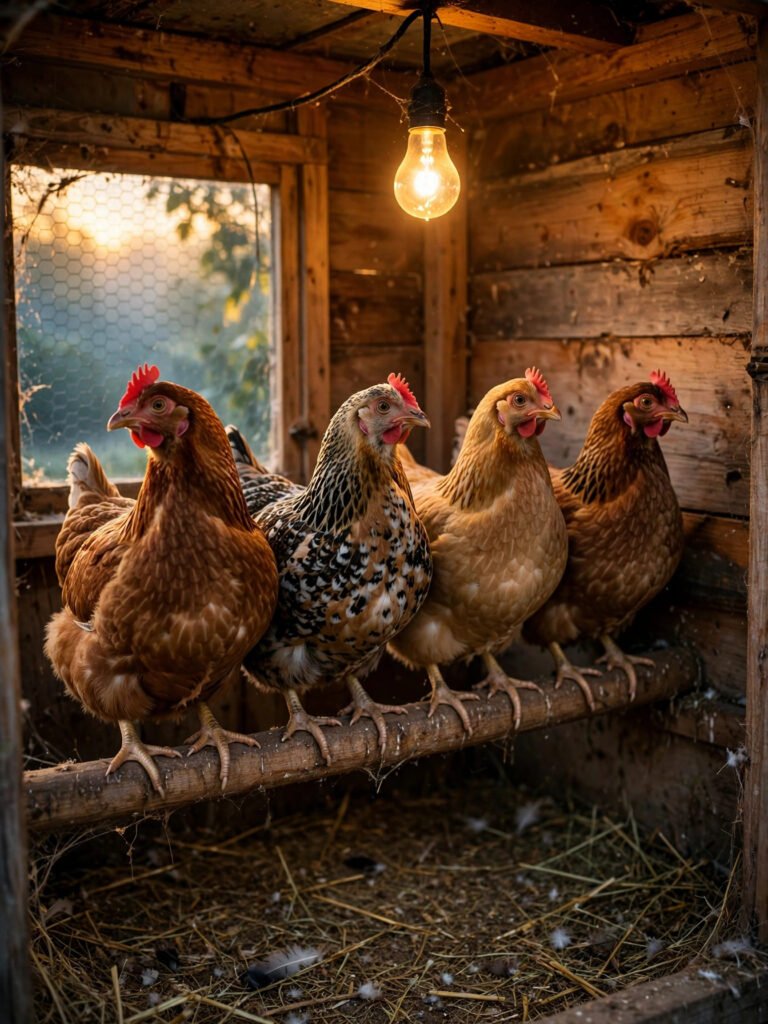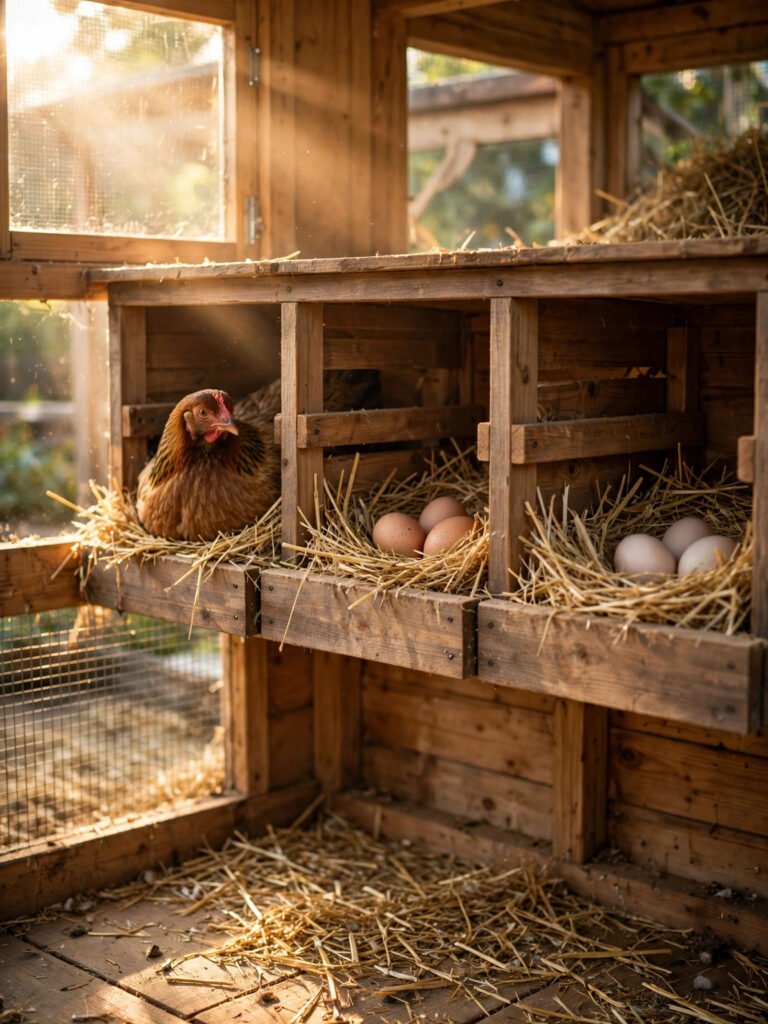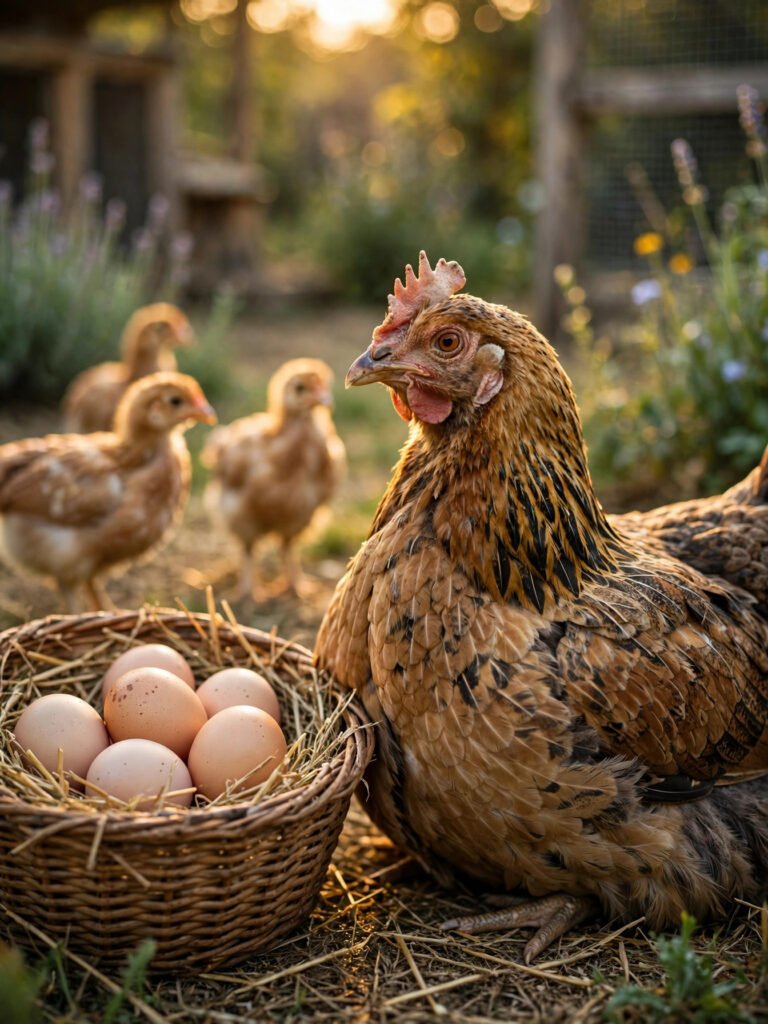
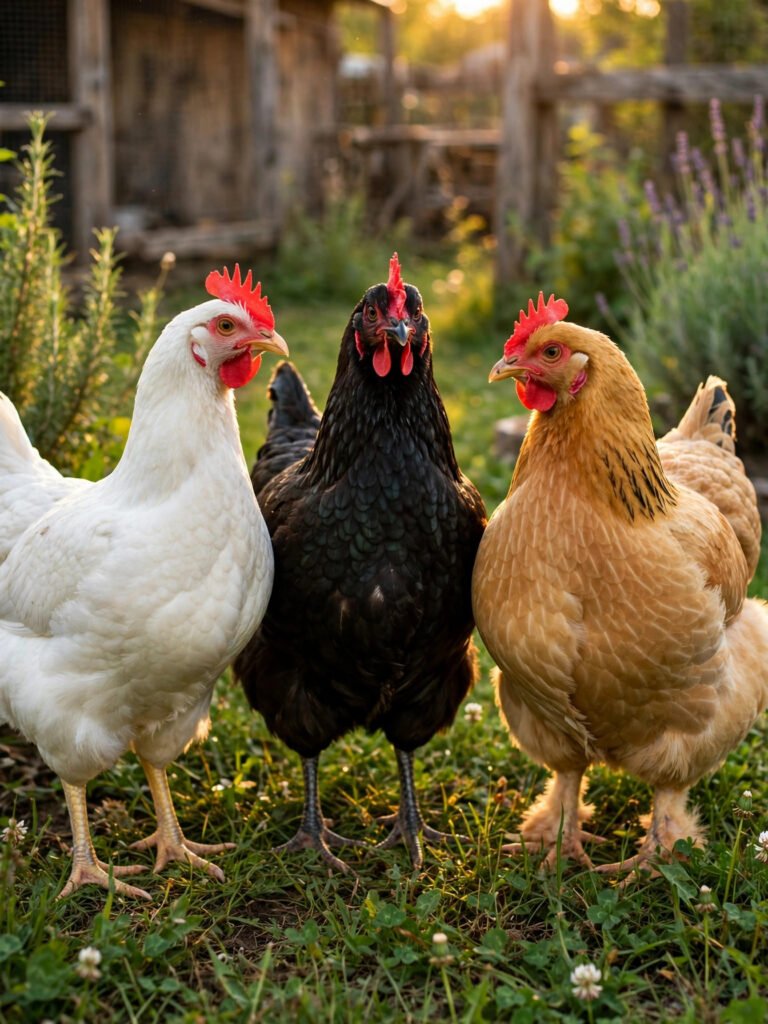

Short answer first: if eggs are the goal and you are new to chickens, skip the exotic breeds and start with the proven layers. A Leghorn lays the most eggs of any pure breed. A modern hybrid layer like the ISA Brown matches or beats her in year one and is friendlier while she does it. And if temperament matters as much as breakfast, the Australorp and the Buff Orpington give you nearly as many eggs from birds that are far easier to live with. The six breeds on this page have filled beginners’ egg baskets for generations, and every one of them will do the same for you — the real choice is which trade-offs you prefer.
One honesty note before the numbers: the egg counts below are the ranges hatcheries and breed associations commonly publish for each breed, and they describe a healthy, well fed hen in her prime laying year. They are ranges, not promises. Individual hens scatter above and below them, and no breed lays its headline number every year of its life — the section near the end of this page does that math properly. What these figures are good for is comparing breeds against each other, which is exactly what a beginner choosing a first flock needs.
The Best Egg Laying Breeds at a Glance
| Breed | Eggs per year | Egg color | Temperament | Best for |
|---|---|---|---|---|
| Leghorn | 280 to 320 | White | Active, independent, flighty | Maximum eggs from a pure breed |
| ISA Brown (hybrid) | 300 to 350 in year one | Brown | Friendly, confident | The biggest first year, right away |
| Australorp | 250 to 300 | Brown | Calm, gentle, quiet | High eggs plus an easy-going hen |
| Buff Orpington | 200 to 280 | Brown | Docile, maternal | Families and kids |
| Rhode Island Red | 250 to 300 | Brown | Hardy, no-nonsense | Tough hens for any climate |
| Plymouth Rock | 200 to 280 | Brown | Steady, calm, friendly | The all-rounder that lays for years |
One distinction runs through that whole table, and understanding it makes every breed choice simpler. The birds here fall into two families with opposite strategies. The production birds — the Leghorn and the modern hybrids — were bred to pour eggs out early: huge first and second years, then a faster fade. The heritage breeds — Australorp, Orpington, Rhode Island Red and Plymouth Rock — lay fewer eggs in any single year but spread them across more seasons, and many are still producing usefully at five or six years old. Neither strategy is better. They are answers to two different questions: “how many eggs this year?” and “how many years of eggs?” Keep that split in mind as you read the six sections below, because it, more than any single number, is what you are actually choosing between.
Leghorn — The Egg Machine
If sheer output is the whole brief, the Leghorn is where the search ends. Hatcheries commonly rate her at 280 to 320 large white eggs a year, the best of any pure breed, and she does it on less feed than the heavier hens on this page — she is a small, efficient bird who converts breakfast into eggs with very little waste in between. She starts laying young, often around 18 to 20 weeks, she forages hard if you let her range, and she has powered the commercial egg industry for a century for good reason.
The honest catch is the personality. Leghorns are flighty. They are quick, alert, independent birds who would rather not be picked up, and most never become the hen who follows you around the garden. For a keeper whose goal is a full egg basket, that is a fair trade. For a family who dreamed of a pet hen that sits in a child’s lap, it can disappoint. Know which keeper you are before you order, because the Leghorn will not change for you — she is too busy laying.
ISA Brown — The Friendly Hybrid
The ISA Brown is not a true breed at all. She is a commercial hybrid — a red sex link, sold under several similar names — built by crossing breeds for one purpose: the biggest, most reliable first laying years in the business. Figures of 300 to 350 brown eggs in year one are standard for her, and unlike the Leghorn, she pairs that output with a genuinely friendly temperament. Hybrids like her are famously confident from the day they arrive, first to the feeder and first to greet you at the gate. She is also sex linked, which means pullets can be told from cockerels by color at hatch — a quiet gift for beginners who cannot keep a rooster.
Her catch is the mirror image of her gift: a hybrid spends her laying account fast. Expect a spectacular first two years, then a noticeably steeper slide than the heritage breeds below, with many hybrids effectively winding down by their third or fourth year. If your plan is eggs now and a flock refresh every few years, that trade suits you fine. If you want the same hens laying steadily at age six, read on to the heritage birds.
Australorp — Big Egg Numbers, Gentle Bird
The Australorp is the breed that makes people ask why anyone tolerates a difficult chicken. Commonly rated at 250 to 300 light brown eggs a year — this is the breed that once set a world laying record — she delivers near-hybrid numbers with a calm, quiet, unhurried temperament that makes her a pleasure in a small backyard. Australorps are steady rather than flashy: they get on with the flock, tolerate confinement better than most, and keep laying respectably through winter when lighter breeds pause.
The catch is size. An Australorp hen is a big, solid bird, half again the weight of a Leghorn, and size has consequences: a bigger appetite at the feeder, and genuinely more room needed in the coop and on the roost. She is not a bird to squeeze into a minimum-size setup. Give her the space she is built for and she is close to the perfect beginner’s layer — productive, peaceful and hard to rattle.
Buff Orpington — The Family Favorite
Ask keepers which hen their children love and the Buff Orpington wins going away. She is a big, round, golden bird with a temperament to match the look — docile, patient, happy to be carried around by a careful kid. Her laying is honest rather than headline: 200 to 280 brown eggs a year, which still means four or five eggs most weeks of her prime. For a backyard flock whose job is eggs plus companionship, that is usually plenty.
Her catch has a name: broodiness. Orpingtons love to sit. A broody hen parks herself on the nest — on eggs, on golf balls, on nothing at all — and stops laying for weeks while she waits for chicks that may not exist. It happens most in spring and summer, it is completely natural, and some keepers even use it to hatch their next batch. But if every hen in a small flock goes broody at once, the egg basket empties. One Orpington among steadier layers is the classic arrangement: the charm, without the whole flock clocking off together.
Rhode Island Red — The Hardy Workhorse
The Rhode Island Red has been America’s default farm hen for over a century because she is so hard to get wrong. Rated at 250 to 300 brown eggs a year, she lays through heat and cold that slow other breeds down, looks after herself on range, and asks for very little beyond feed, water and a secure coop. If your climate is harsh, your schedule is busy, or you simply want a hen who gets on with it, the Red belongs on your shortlist.
The catch is mostly about the gentlemen. Rhode Island Red roosters have a well earned reputation for assertiveness — some keepers would use a shorter word — and a beginner who cannot choose his cockerel’s temperament is often happier starting with hens only, or with a calmer breed if a rooster is part of the plan. The hens themselves are fine: confident, sometimes a little pushy with timid flock mates, but straightforward birds that millions of beginners have started with and never regretted.
Plymouth Rock — The Steady All-Rounder
The Barred Plymouth Rock is the breed I point to when someone says “just tell me one that does everything reasonably well.” Eggs: 200 to 280 brown eggs a year, starting in good time and, importantly, continuing at a useful rate for more years than most birds on this page. Temperament: calm, curious and friendly without being underfoot. She is cold hardy, a decent forager, a good mother when asked, and big enough to have been a classic dual purpose farm bird. She tops no single chart. She is second or third on all of them, and for a first flock that balance is worth more than a specialty.
Her catch is simply that she is nobody’s maximum. A keeper chasing the fullest possible basket should take the Leghorn or the hybrid and accept their trade-offs. A keeper who wants one breed to start with, learn on, and still be collecting eggs from in year five usually ends up very content with Rocks — and often ends up keeping them long after the second and third breeds have come and gone.
The Honest Math on “300 Eggs a Year”
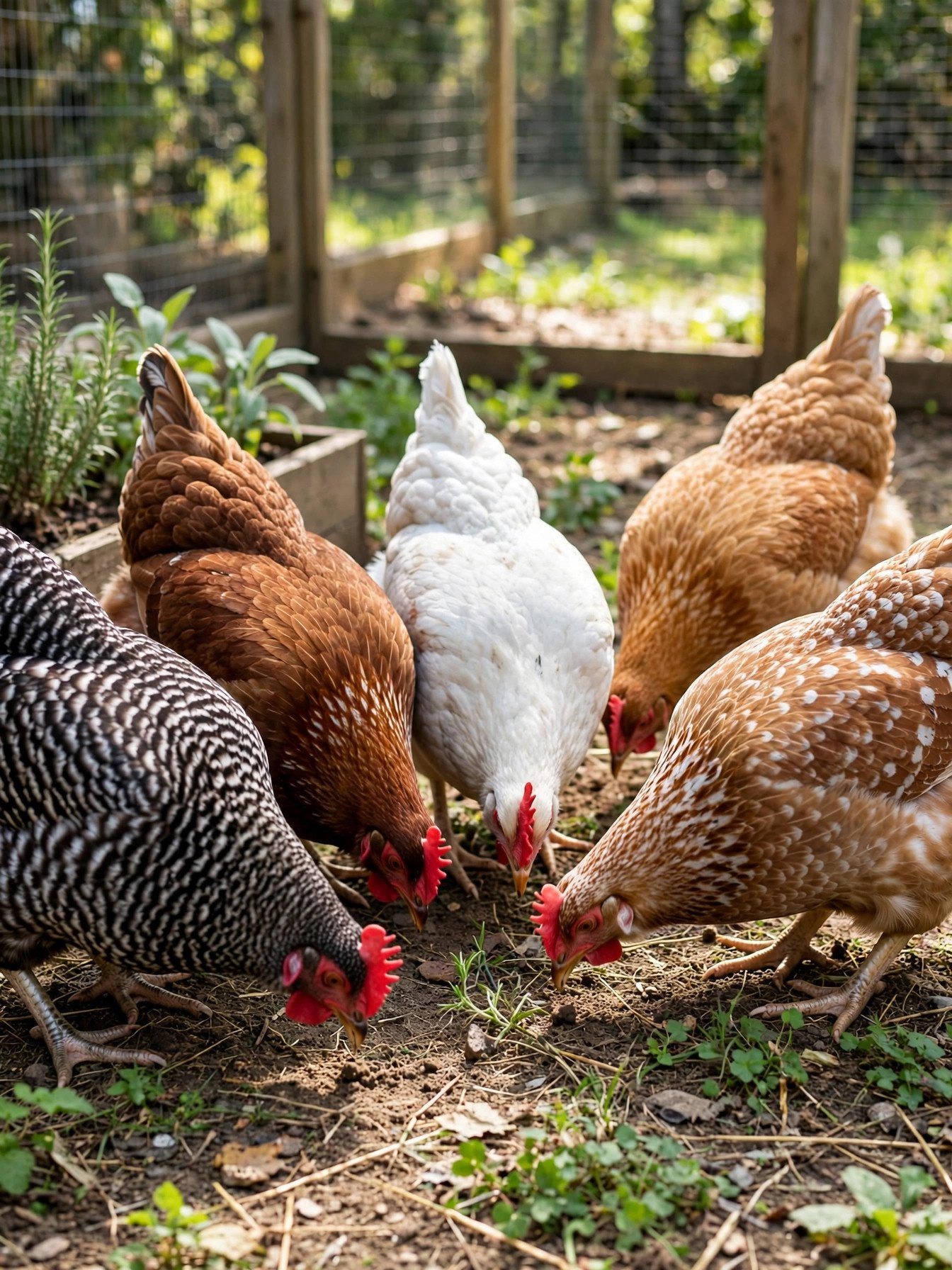
Now the part the headline numbers leave out. When a hatchery says a breed lays 300 eggs a year, that figure describes her first full laying year — the peak of her life, in good conditions. It does not describe her average across her life, and treating it as a lifetime promise is the fastest way to feel cheated by a perfectly normal hen. In reality, most hens give you roughly 80 percent of that peak in year two, around 70 percent in year three, and a gentler taper after that. The full curve, year by year, is laid out in our guide to how long chickens lay eggs, and it is worth reading before you set your breakfast expectations in stone.
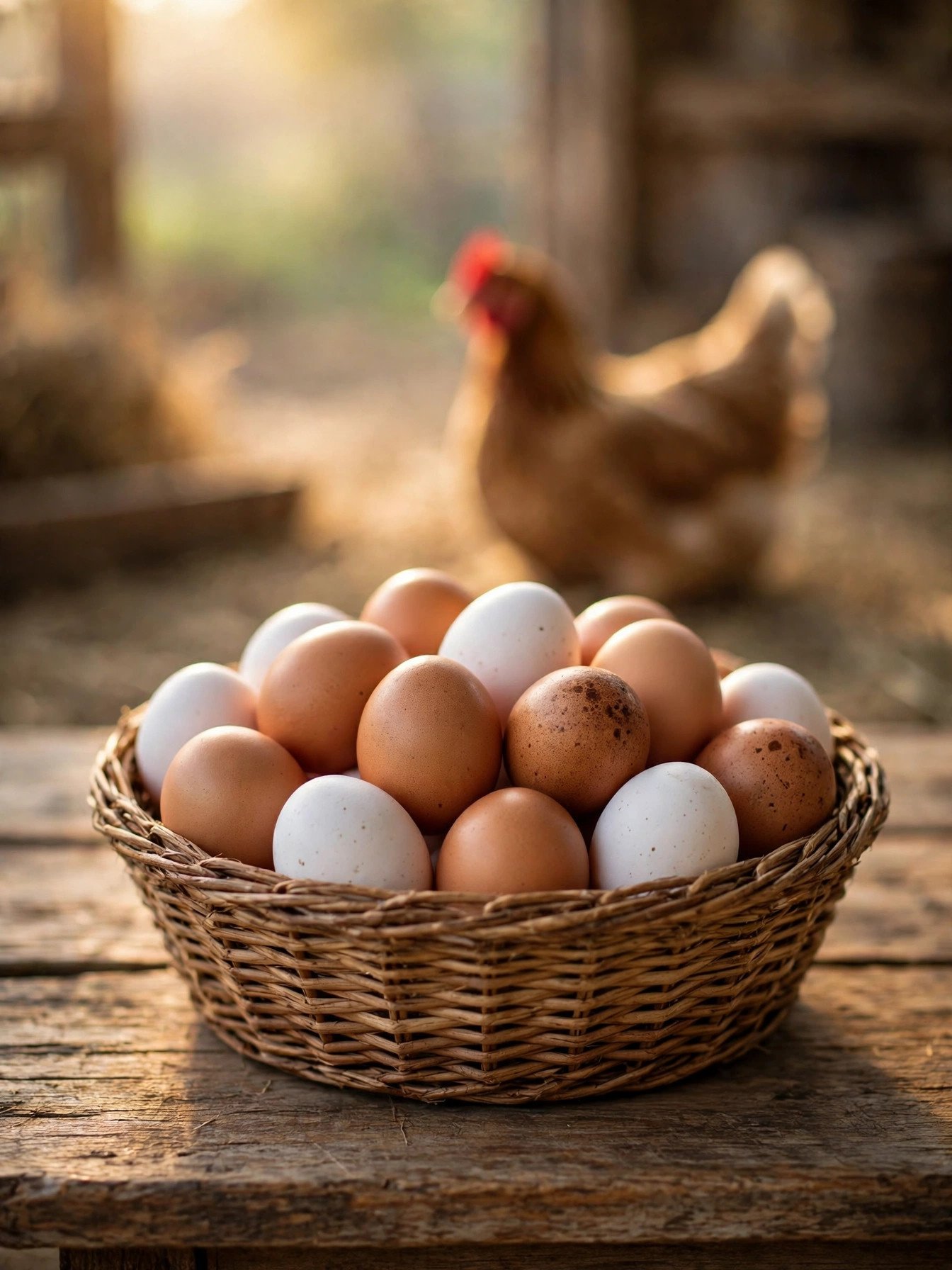
Two seasonal facts sit on top of that curve, for every breed on this page, with no exceptions. In winter, short days switch the laying cycle down or off entirely, because a hen needs roughly 14 hours of light to keep producing — a Leghorn in December is not broken, she is obeying the calendar. And once a year, usually in autumn, every hen molts: she drops her feathers, grows a new coat, and stops laying for the weeks it takes. So if your flock’s output dives in October or January, the breed is rarely the culprit. Work through the usual causes in our guide to why your chickens are not laying eggs before you blame the birds — season, molt and daylight explain most empty nest boxes.
Put plainly: a hen who lays 280 eggs in year one and 180 in year three is not a disappointment. She is a normal, healthy layer doing exactly what her biology says. Choose the breed for the pattern that suits you — the hybrid’s huge early years, or the heritage hen’s longer, steadier run — and the numbers will never surprise you.
Which Breed for Your Yard?
- Small yard, close neighbors: Australorp. Quiet, calm, content in a run, and her 250 to 300 eggs come without the Leghorn’s restlessness. Orpingtons also settle well, at slightly lower numbers.
- Kids in the picture: Buff Orpington, with Plymouth Rock a close second. Both tolerate small hands and short attention spans, and the Orpington actively seems to enjoy the company.
- Maximum eggs, full stop: ISA Brown for the biggest first year, Leghorn if you want a pure breed that keeps something closer to that pace for longer. Either way, plan the flock size with the peak in mind — our guide to how many chickens you should get does that math.
- Cold winters: Rhode Island Red, Plymouth Rock and Australorp all carry the body mass and hardiness for serious cold. The Leghorn’s large single comb is her one weak point in hard frost.
- One breed, kept for years: Plymouth Rock or Australorp. Lower peaks, longer runs, and temperaments that wear well.
Want to go deeper on breed histories, varieties and laying records before you order? This is the book the breed chapters of half the internet quietly rest on:

- The reference most keepers end up keeping on the shelf — breed selection, housing, feeding and health in one volume
- Its breed chapters compare laying records, temperaments and hardiness breed by breed, which is exactly the homework to do before ordering chicks
- Written for backyard keepers, not commercial farms, so the advice fits a flock of six as well as a flock of sixty
Frequently Asked Questions
Which chicken breed lays the most eggs?
For a pure breed, the Leghorn, at roughly 280 to 320 white eggs in her peak year. The only birds that match or beat her are the commercial hybrids like the ISA Brown, which can pass 300 brown eggs in year one — but their production falls away faster in later years, where the Leghorn and the heritage breeds hold up better.
What is the friendliest egg laying breed for beginners?
The Buff Orpington, by a wide margin — docile, patient and happy to be handled, with a still-useful 200 to 280 eggs a year. The Plymouth Rock and Australorp are close behind her, and both lay more. The ISA Brown hybrid is the friendliest of the high-output birds if maximum eggs matter too.
Can I mix breeds in one flock?
Yes, and most backyard keepers do. Hens of different breeds live together quite happily as long as they have enough space, and a mixed flock spreads your laying across breeds with different peaks and pauses. The one caution is size: very small bantams can get pushed around in a flock of big, confident birds, so mix birds of roughly similar size where you can.
Do I need a rooster for hens to lay eggs?
No. Hens lay eggs on their own cycle whether a rooster exists or not — he is only needed if you want those eggs fertilized so they can hatch. For a beginner flock kept for breakfast, hens only is simpler, quieter, and legal in many neighborhoods where roosters are not.
The Bottom Line
There is no wrong bird on this page — there is only the wrong match. Take the Leghorn or the ISA Brown if eggs are the mission and you accept their trade-offs. Take the Australorp, Orpington or Plymouth Rock if the hens are also pets, and the basket fills a little slower but for more years. Take the Rhode Island Red if your weather does the choosing. Whichever you start with, start — every breed here has made a fine first flock for somebody, and the best laying hen is the one already in your coop. New to the whole idea? Our complete guide to backyard chickens for beginners walks the first year in the order you will actually live it.