
Short answer first: the scene tells you who did it. When you find a loss, resist the urge to clean up right away and look at three things instead — what was taken, what was left behind, and when it happened. Those three facts narrow almost every attack down to one or two suspects, and each suspect has a different fix. A tidy-up in the first ten minutes can erase the only evidence you will ever get, so read the scene first, then act. The table below is the quick version.
A word before the table, because most people reading this page have had a bad morning. Losing birds happens to careful keepers too — predators test fences for a living, and one weak spot on one night is all it takes. What matters now is identifying the visitor correctly, because fixing for the wrong animal leaves the real one free to come back, and it usually does.
| Suspect | Typical signs | When it hunts | First fix |
|---|---|---|---|
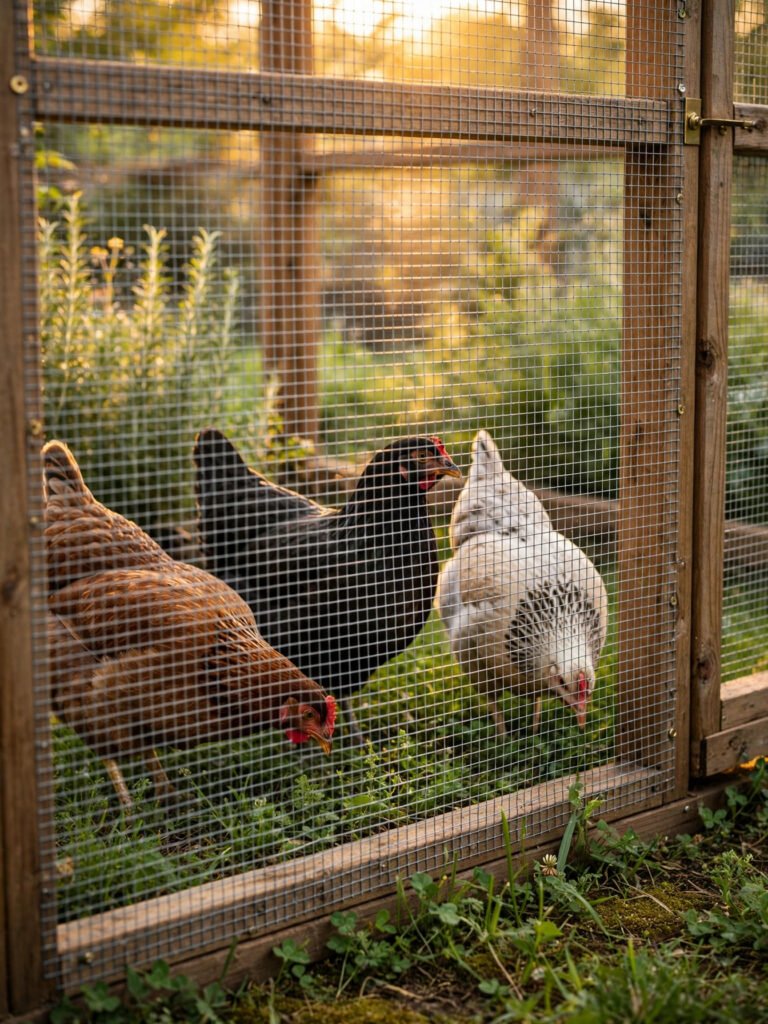
| Raccoon | One bird taken or injured at the fence line; feathers pulled through wide mesh; a latch found open | Night | 1/2 inch hardware cloth + two-step latches |
| Mink or weasel | Several birds lost in one night, left in the coop; entry through a hole barely an inch wide | Night | Seal every gap over 1/2 inch, 1/4 inch cloth on chick areas |
| Opossum | A single bird taken inside the coop; eggs missing too; slow, untidy scene | Night | Secure lock-up, remove eggs and feed at night |
| Owl | A bird taken from an open run or outdoor roost after dark, little sign on the ground | Night | Hens shut inside a solid coop at dusk |
| Rats | Chicks gone without a trace; eggs missing from nest boxes; droppings and gnaw marks near feed | Night | Metal feed bin, 1/2 inch cloth over gaps, daily egg collection |
| Hawk | A pile of feathers in the open, in the middle of the day; the rest of the flock hiding and silent | Day | Covered run, overhead lines or netting |
| Dog | Many birds injured or lost at once, wire torn or a fence pushed in, daytime chaos | Day | A framed run with hardware cloth, a real gate latch, a word with the owner |
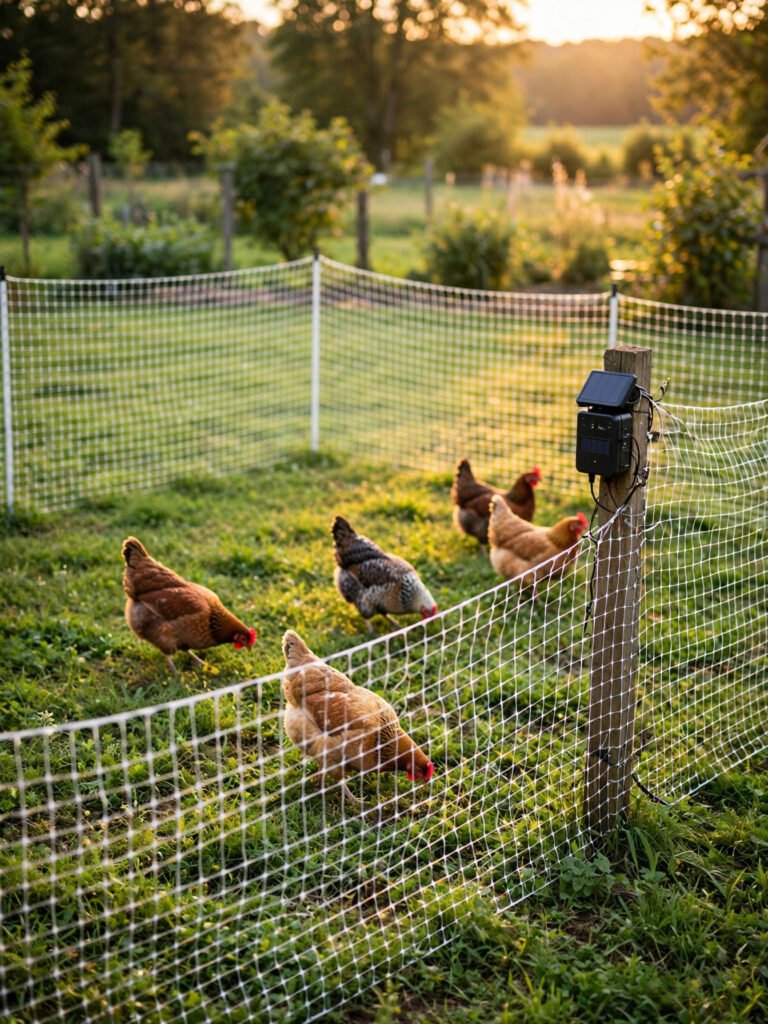
| Fox | Birds simply gone — carried off one or more at a time, a few stray feathers at the fence, digging at the base | Dawn and dusk | Buried or flat apron, covered run, electric netting for rangers |
| Coyote | Similar to fox but bolder: birds carried off, a low fence cleared or a weak corner pushed through | Dawn, dusk, night | Six foot fence or electric netting, secure night housing |
Start With the Three Questions
Every scene answers the same three questions, in this order. Work through them and you will usually have your suspect before you finish your coffee.
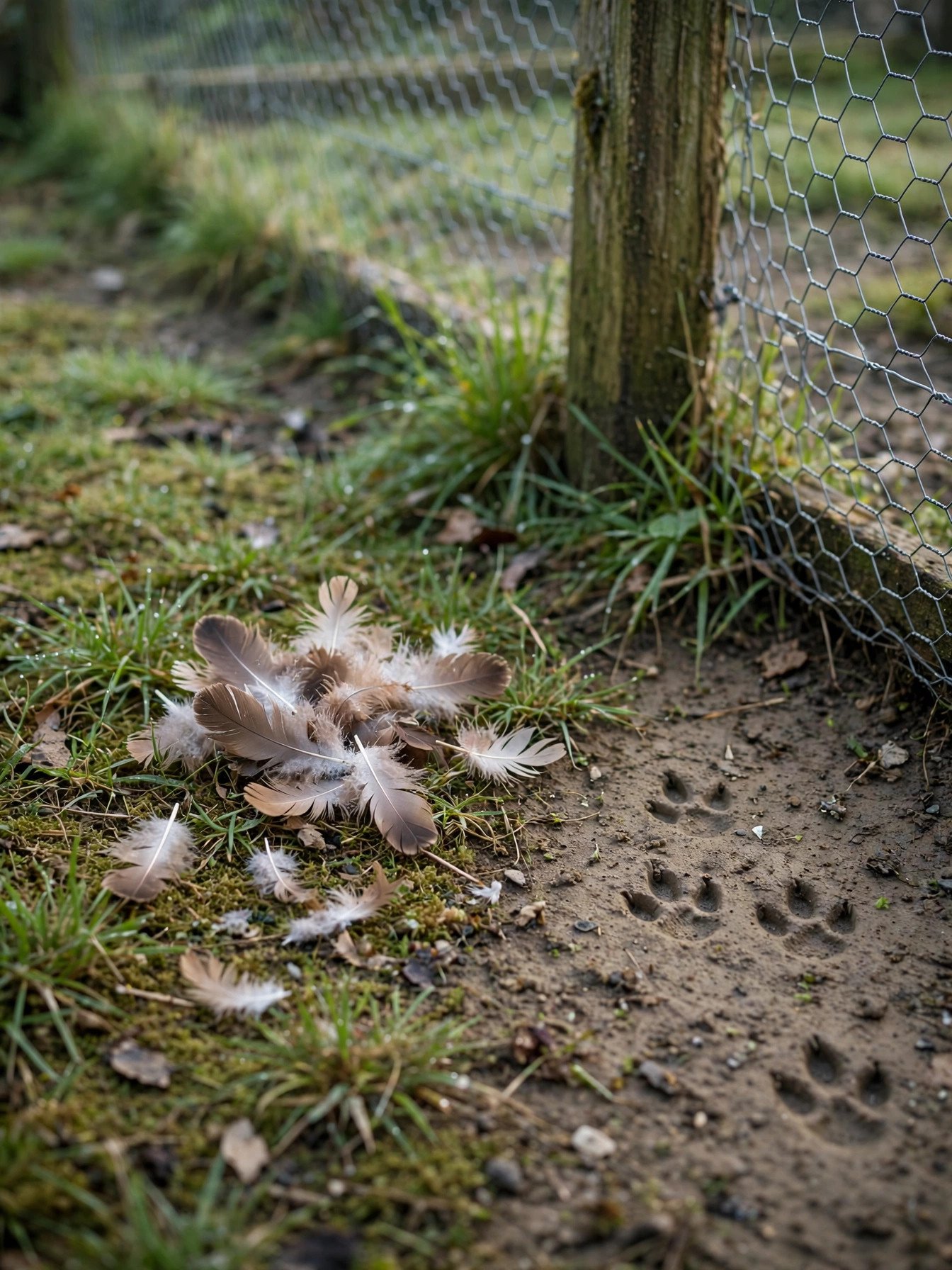
Question one: is the whole bird gone? A bird carried away points to a hunter that eats elsewhere — a fox, a coyote, an owl, or a raccoon that managed to get a bird out. These animals rarely leave much behind beyond feathers at the point of capture and, in soft ground, tracks. A bird gone with almost no sign at all, taken from an open run, is a flying or four-legged visitor that came and went cleanly.
Question two: was a bird left behind? What an animal leaves tells you how it hunts. Several birds lost in a single night and left where they fell is the signature of the weasel family, which kills in a frenzy when birds panic around it and often takes only a small part of one bird. A single bird lost at the fence line, with feathers pulled toward the wire, points to a raccoon reaching through mesh that was too wide. A lone bird gone from inside the coop, with an untidy scene, often means an opossum found a way in and stayed a while.
Question three: did it happen in the day or at night? This one divides the list in half. Daytime losses in an open run mean a hawk, or a dog if the damage is widespread. Losses discovered at morning lock-up happened at night or in the grey hour before dawn, which is raccoon, mink, opossum, owl, rat or early fox territory. Timing also tells you when to watch, and when a camera needs to be running — more on that below.
The Night Hunters
Raccoon. The most common night visitor and the cleverest. The classic raccoon scene is a bird lost right at the wire: hens that sleep against the run mesh can be grabbed and pulled toward it, so you find feathers bunched along the fence line and the rest of the flock unharmed. Raccoons also take single birds whole when they can reach them, sometimes eating only part of one bird and leaving the rest. Check your latches before you blame the mesh — a simple latch found open, or a door standing ajar that you know you closed, is raccoon work until proven otherwise. The full defense is covered in our guide to how to predator proof a chicken coop: hardware cloth instead of wide mesh, and latches that need two motions to open.
Opossum. Slower than a raccoon, and usually an opportunist rather than a planner. One that gets inside typically takes a single bird, often a hen on a low roost, and eggs frequently disappear the same night. The scene looks untidy rather than surgical. Opossums rarely break in through real defenses; they walk in through doors left open at dusk, roofline gaps, or runs that were never covered. Shut the flock in properly and the problem usually ends.
Owl. Great horned owls hunt chickens the way hawks do, just on the night shift. The sign is mostly absence: a bird gone from an outdoor roost or an uncovered run, a scatter of feathers underneath, and nothing disturbed on the ground. Hens sleeping in the run rather than the coop are the usual victims. The fix is not a better fence, it is a closed door — every hen inside a solid coop by dark, every night, no exceptions for nice weather.
Mink and weasels. The pattern that upsets keepers most, and the one with the clearest signature: several birds — sometimes many — lost in a single night and left in the coop, each with small marks at the head or neck, and only a small part eaten from one or two of them. Mink and weasels kill surplus prey when panicked birds keep triggering the chase, which is why the losses look so out of proportion. Then comes the real puzzle: no visible break-in. A mink can pass through a gap of about an inch, a weasel through even less. Look for the small hole — behind the feeder, at a floor corner, where a board shrank. Seal everything over half an inch and expect a return visit the next night if you do not.
Rats. Rats rarely trouble a healthy adult hen, but they are a genuine threat to chicks, which can vanish overnight with no scene at all, and to eggs, which disappear from nest boxes without a shell left behind. Droppings along walls, gnawed wood near the feed bin and tunnels in the bedding complete the picture. They are usually living on site full time, drawn by feed more than by the birds. Metal feed storage, hardware cloth over gaps and eggs collected daily make a coop far less interesting to them.
The Day Hunters
Hawk. A hawk strike is the easiest scene to read. It happens in the open, in daylight, often mid-morning or mid-afternoon, and it leaves a neat pile of plucked feathers where the bird was caught — sometimes a ring of them where the hawk worked. The surviving flock will be pressed into cover, silent, and reluctant to come out for hours. Hawks take one bird at a time and they prefer a clear swoop with no obstacles, which is why overhead cover, crisscrossed lines over the run and shrubs near the fence line all reduce the risk. An uncovered run in hawk country is the single most fixable cause of loss on this page.
Dog. Ask experienced keepers what has actually killed their birds over the years and loose dogs come first. The scene is unmistakable: it happens in daylight, it is widespread rather than careful, and several birds may be injured or lost in minutes, with wire torn, a gate pushed in or a fence trampled. Many dogs are not hunting at all — they are chasing, and the damage happens anyway. This is usually a neighbor problem rather than a wildlife problem, and it is no fun for anyone, so handle it kindly and factually: secure what is left, take photos of the damage, and have the conversation. Then build the run so a dog cannot get in even if the conversation goes nowhere — a framed run in hardware cloth with a latch a nose cannot lift.
Fox. The fox pattern is disappearance. Foxes carry birds away to eat elsewhere or to feed kits, so you find missing hens, a small trail of feathers leading toward the fence, and often fresh digging at the base of the run where the fox tested or entered. Foxes hunt hardest at dawn and dusk, though a bold one feeding young will hunt in daylight too. A fox that takes one bird should be treated as a fox that has marked your yard: they return, sometimes the next evening, for the rest. The apron and the covered run in the predator proofing guide were designed with exactly this animal in mind.
Coyote. Briefly, because the signs overlap with the fox: birds carried off, sometimes more than one, and a fence jumped, climbed or pushed through rather than slipped under. Coyotes are bigger and stronger, so bent wire and damaged corners are more common. Height and electricity are the answers — a six foot fence, or properly energized electric netting on open ground — plus a genuinely secure coop at night.
When It Is Not a Predator
Sometimes the honest answer is that nothing hunted your birds at all. A hen found dead on the roost or under it with no marks, no feathers scattered and no sign of a struggle may have died of heat on a brutal afternoon, of an illness you never saw, or of a simple accident — and a whole flock affected at once points even more strongly away from predators and toward something environmental or a disease. This page can help you read predator sign, but it cannot diagnose a sick or dying bird, and guessing helps no one. If birds are dying without marks, stop here and go to a poultry vet or your state extension service with the details and, if they ask for it, a bird preserved cold for examination. That is the route that actually gets answers.
What to Do Tonight
Identification is only useful if tonight goes differently. Work down this list before dark, in this order:
- Take notes and photos first. Before anything is moved, write down what you found: which birds, where, feathers where, the state of every door and latch, any tracks. Five minutes of notes tonight will tell you more tomorrow than an hour of guessing next week
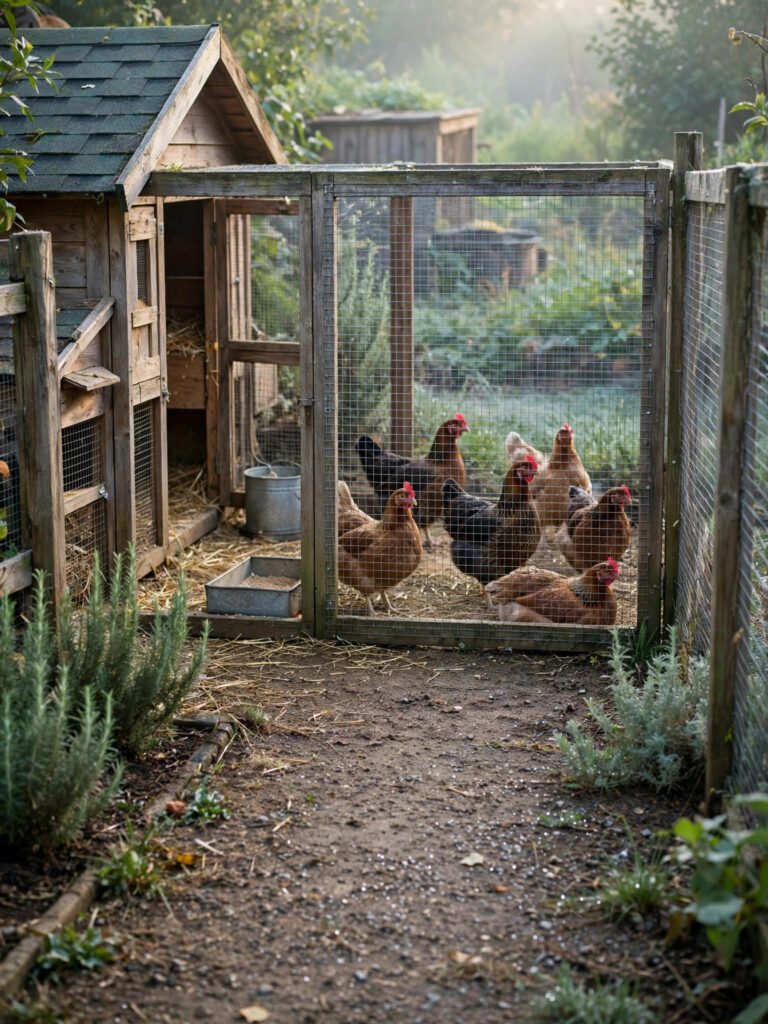
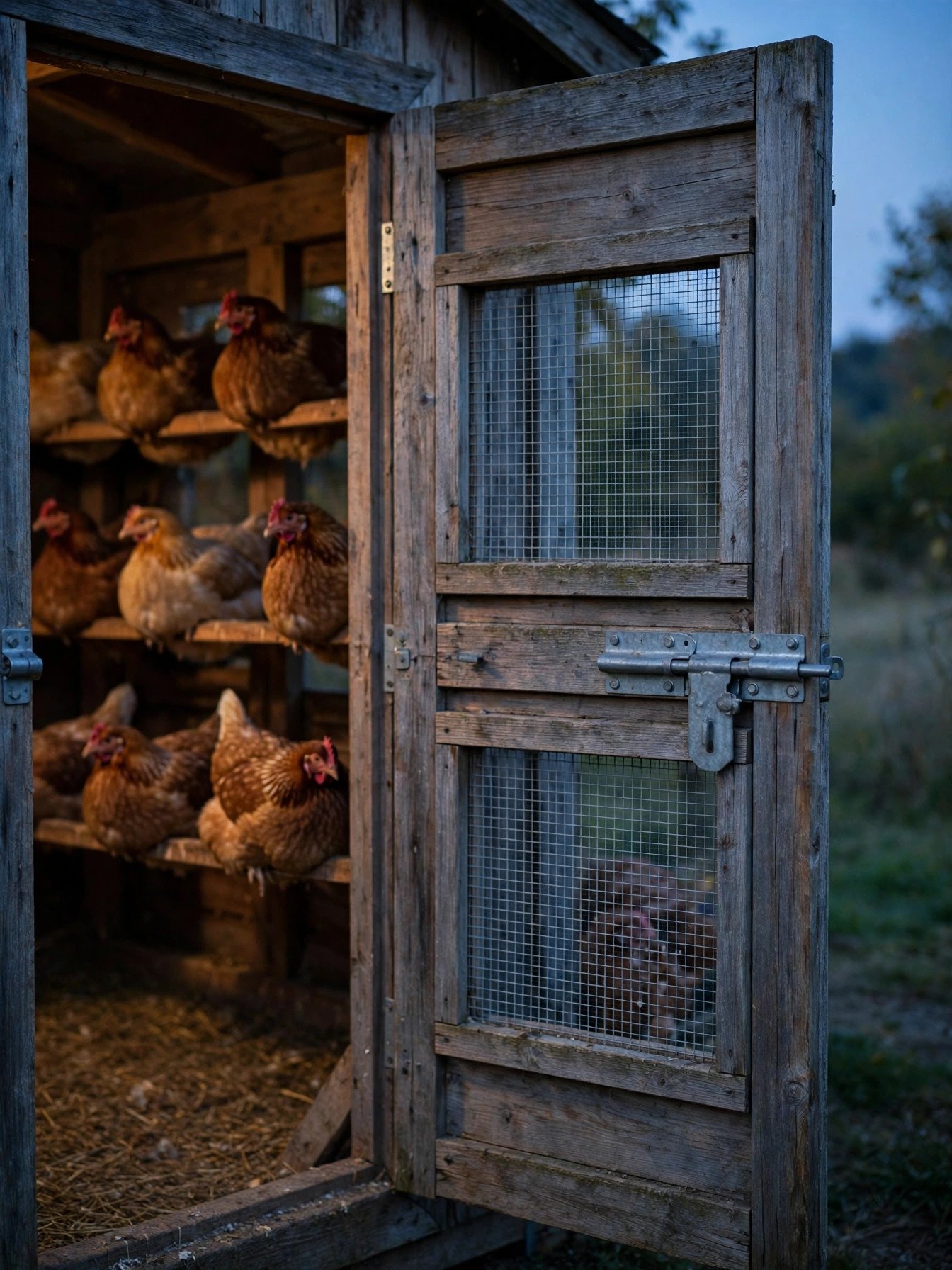
- Do the lock-up audit. Physically close every door, lid and pop hole yourself at dusk and work every latch with your own hands. The door that “usually shuts fine” is the one to check twice
- Find the gaps. Walk the coop and run with a flashlight and look for any opening wider than half an inch — vents, roofline, floor corners, the gap under the door. That half inch is the line between annoyance and entry for rats, weasels and reaching paws, which is why the mesh matters as much as the fence, a point we make in full in hardware cloth vs chicken wire
- Patch with hardware cloth now, rebuild later. A screwed-on patch of 1/2 inch hardware cloth over the suspect gap takes ten minutes and holds fine while you plan the permanent repair
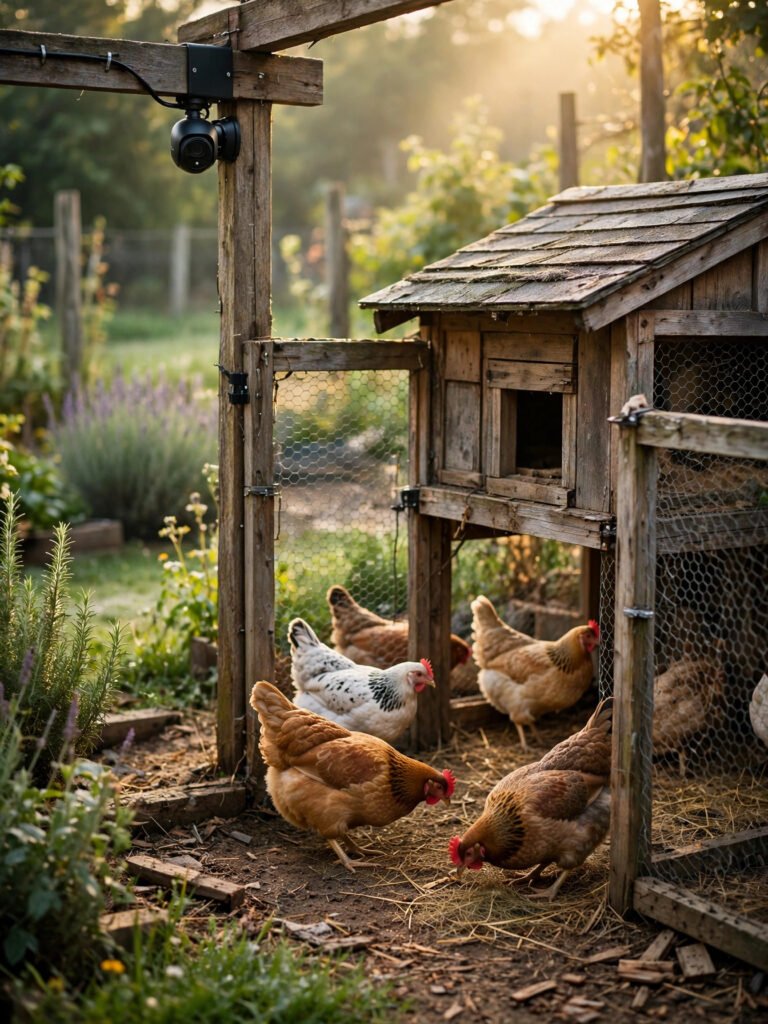
- Put eyes on the coop. If the visitor is still unknown, a camera ends the guessing: our guide to the best chicken coop cameras covers the night-vision setups keepers use to get one clear look at what is actually coming around
- Expect a return. Almost every predator on this page comes back to a yard where it succeeded once. The first three nights after a loss are when your defenses matter most
If the patch job is tonight’s task, this is the roll most keepers reach for. One roll covers the vent patches, the door surrounds and the gap repairs on a typical backyard coop, with enough left over for the apron work when the weekend comes.
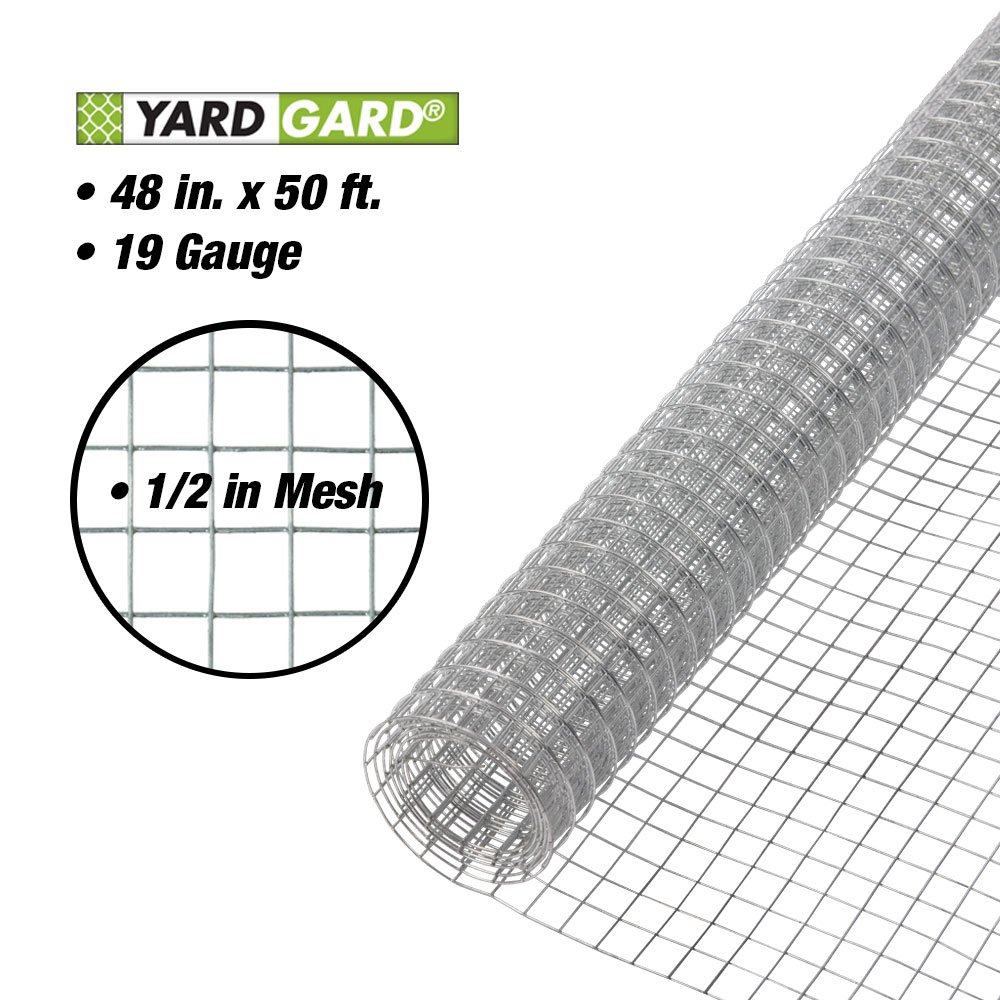
- Half-inch openings are too small for raccoon paws to reach through and too small for rats to squeeze past — the two gaps tonight’s audit finds most often
- 19 gauge galvanized steel, welded at every joint, so a patch screwed on tonight is still holding years from now
- The 48 in × 50 ft roll is the practical size for a backyard coop — enough for vent and gap patches now, and the apron around the base later
Frequently Asked Questions
How can I tell if a raccoon or a fox killed my chickens?
Look at what was left and where. A raccoon works at night and usually leaves a scene at the fence line — feathers pulled toward the wire, a single bird lost or partly eaten, sometimes a latch opened. A fox carries birds away whole, so the sign is absence: missing hens, a light trail of feathers, and digging at the base of the fence. Raccoon equals evidence at the wire; fox equals birds simply gone.
What predator kills chickens and leaves them behind?
Several birds killed in one night and left in the coop is the classic mink or weasel pattern — they kill in a frenzy around panicking birds and eat very little of what they take. A single bird partly eaten inside the coop can be an opossum or a raccoon. And if a bird is found dead with no marks and no disturbance at all, consider that it may not have been a predator at all, and talk to a vet or your extension service.
What kills chickens at night but does not eat them?
Most often the weasel family again — mink especially. When hens panic and flutter around a mink in a closed coop, it keeps striking, and by morning there can be several dead birds with very little eaten from any of them. The entry point is usually a gap of an inch or less that nobody had noticed. Seal every gap over half an inch the same day, because a mink that found one hole will be back to test the repair.
Will the predator that killed my chickens come back?
Plan on it. Raccoons, foxes and mink all return to a yard where they succeeded, often the very next night. That is why the fixes on this page are ordered the way they are: notes and photos, a hands-on lock-up audit, gaps patched in hardware cloth, and a camera if you still do not know your visitor. The three nights after a loss are the ones to take most seriously.
The Bottom Line
What was taken, what was left, and when it happened — three questions that name the culprit in nearly every case. Answer them before you clean up, fix for the animal the evidence actually points to, and do the lock-up audit tonight rather than at the weekend. A predator that succeeded once is already planning its second visit, and the keepers who stop the losses are simply the ones who read the first scene carefully and close the specific door it used. For the complete defense that this page points back to, work through our full guide to how to predator proof a chicken coop and run the checklist with a flashlight — it is a quieter evening than the alternative.