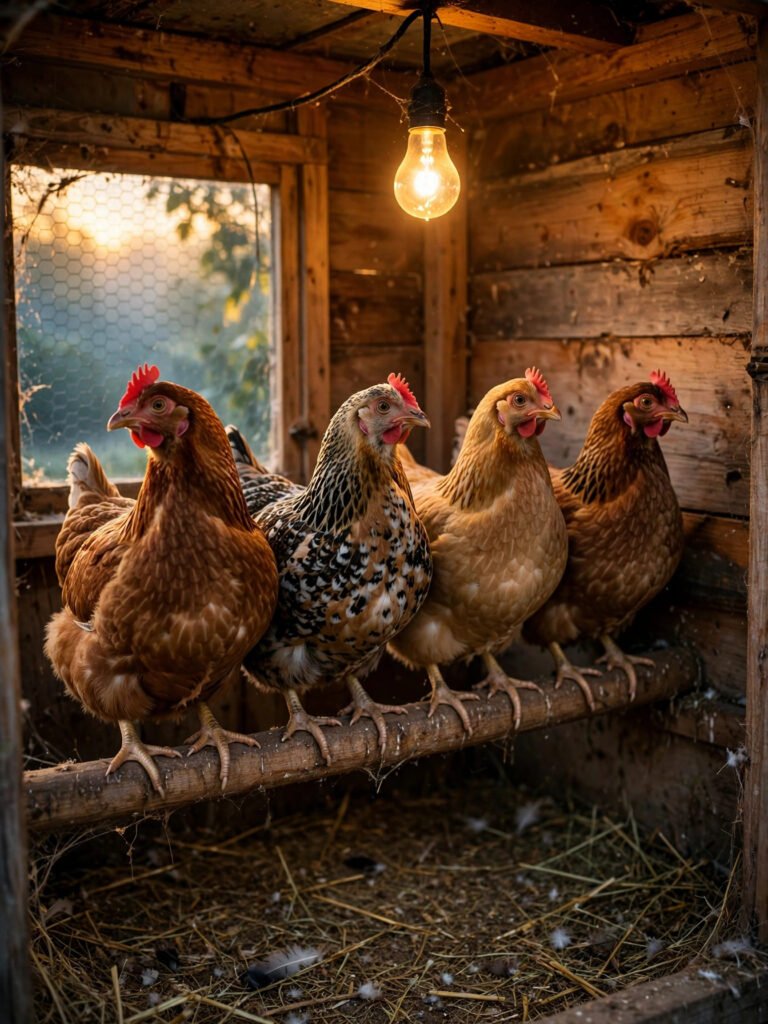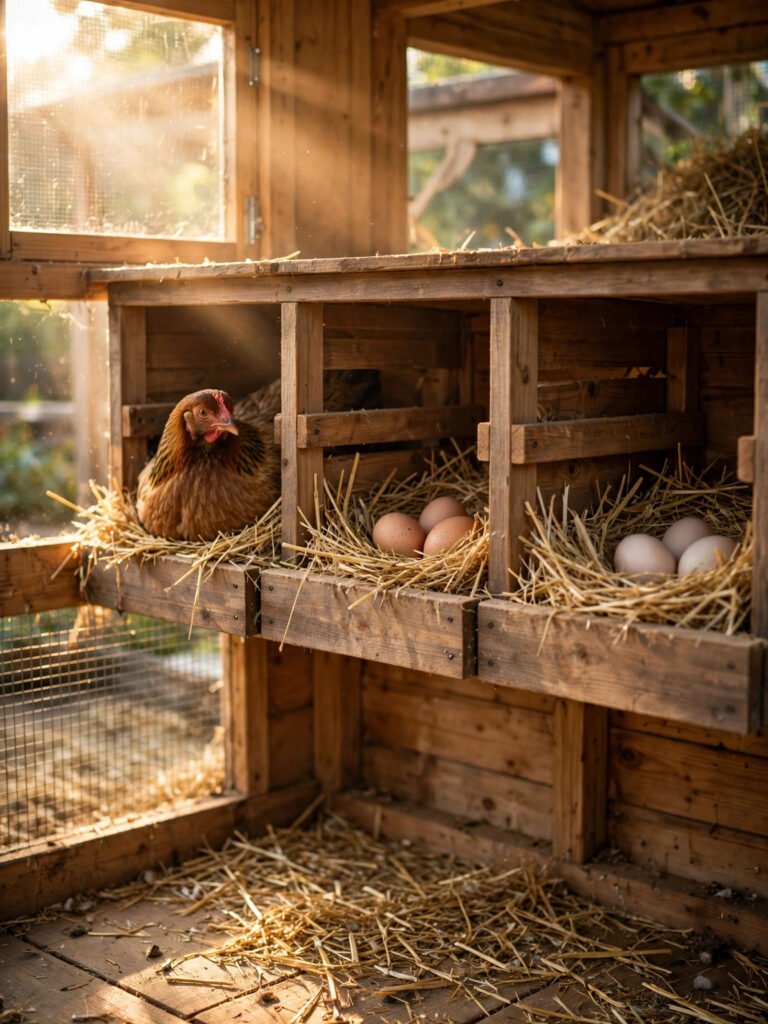
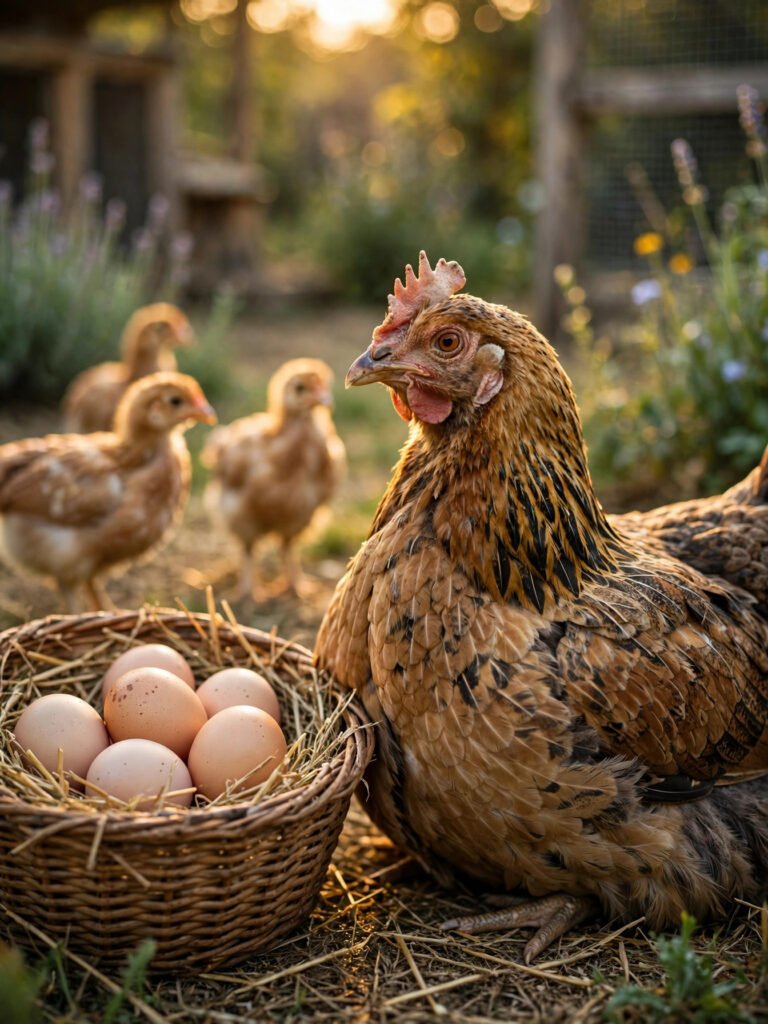

Short answer first: most hens lay well for 2 to 3 years, taper through years 4 and 5, and many keep laying the occasional egg for 6 to 8 years of a life that often runs 8 to 10. Read that again, because it is the part that catches people out: a hen’s laying life is much shorter than her actual life. The productive years are the front of the story, not most of it, and planning for that simple fact early is what separates a flock that works from a flock that quietly turns into a retirement home.
None of this is a hen failing at her job. It is just the shape of a laying life, and once you see the curve below, a lot of things fall into place — why a three-year-old flock gives you half the eggs it used to, and why experienced keepers keep adding a few young birds every year or two instead of replacing everyone at once.
The Laying Curve, Year by Year
| Age | What to expect |
|---|---|
| Year 1 | The peak. A good production breed lays roughly 250 to 280 eggs in her first full year, and even average hens are at their best now |
| Year 2 | About 80% of year one. Still a strong layer, with slightly bigger eggs |
| Year 3 | About 70% of year one. The slide is noticeable by the end of this year |
| Years 4 to 5 | A steady taper. Eggs keep coming, but with longer gaps and longer winter breaks |
| Years 6+ | Occasional eggs. Some hens surprise you in spring; some are simply done |
Treat those numbers as typical ranges, not promises. They describe a healthy, well fed hen of a decent laying breed, and real flocks scatter around them in both directions. A hen is an individual animal, not a machine with a spec sheet, and the curve is a planning tool — it tells you what a flock of a given age will roughly do, not what one named hen owes you this week.
Why Does Egg Production Fall With Age?
Here is the honest biology, simply told: a hen hatches with every egg she will ever lay already counted. Inside a pullet are thousands of tiny undeveloped ova, and from her first egg onward, she draws down that stock one ovulation at a time. She never makes more. Laying is not a tap that runs until it breaks. It is a bank account that only ever goes down.
That is not the whole story, though. Her body ages alongside the account. The reproductive tract gets less efficient, shells get thinner or rougher more often, the hormones that drive the daily cycle fire a little less reliably, and each year’s molt seems to take a touch longer to come back from. Put the two together — a finite stock of eggs, and an aging system for releasing them — and the curve above stops looking like a mystery. It is just arithmetic wearing feathers.
One comfort in all this: a hen who slows down is usually not sick. She is just older. A hen who stops suddenly, in peak season, at a young age is a different question entirely, and that one is worth working through step by step in our guide to why your chickens are not laying eggs.
Breed Matters More Than Anything Else
If one factor decides how long a hen lays, it is the breed she was born into — decided before you ever met her. Production breeds and modern hybrids, birds like Leghorns and the red sex links sold under a dozen names, were built for one thing: an enormous first two years. They can hit that 250-plus egg mark in year one and stay strong through year two, but the account drains fast, and many are effectively finished by year four.
Heritage breeds play the opposite game. An Orpington, a Plymouth Rock or a Sussex might give you 180 to 220 eggs in her best year — respectable, never spectacular — but she spreads her laying over far more seasons. Six and seven year old heritage hens still producing a few eggs a week in spring are not rare at all. Fewer eggs per year, more years of eggs. Neither strategy is wrong. They are just different answers to the same question, and it helps to know which one you bought.
This is also why the “best layer” question has no single answer: it depends on whether you want maximum eggs now or a longer, steadier supply. If you want to go deeper on breed histories and laying records, Storey’s Guide to Raising Chickens is the book most keepers end up keeping on the shelf — its breed chapters are the ones I come back to when comparing birds.
The Other Levers: Light, Feed, Health and the Molt
Breed sets the ceiling, but management decides how close a hen gets to it. Light is the biggest lever you control: hens need roughly 14 hours of daylight to keep the laying cycle switched on, which is why almost every flock slows or stops in the short days of winter, whatever its age. Feed is next — a laying hen needs her 16% protein layer feed with its calcium, and a diet diluted with too many treats or the wrong ration quietly costs you eggs. The age-by-age breakdown of who should be eating what is in our guide to layer feed vs grower feed.
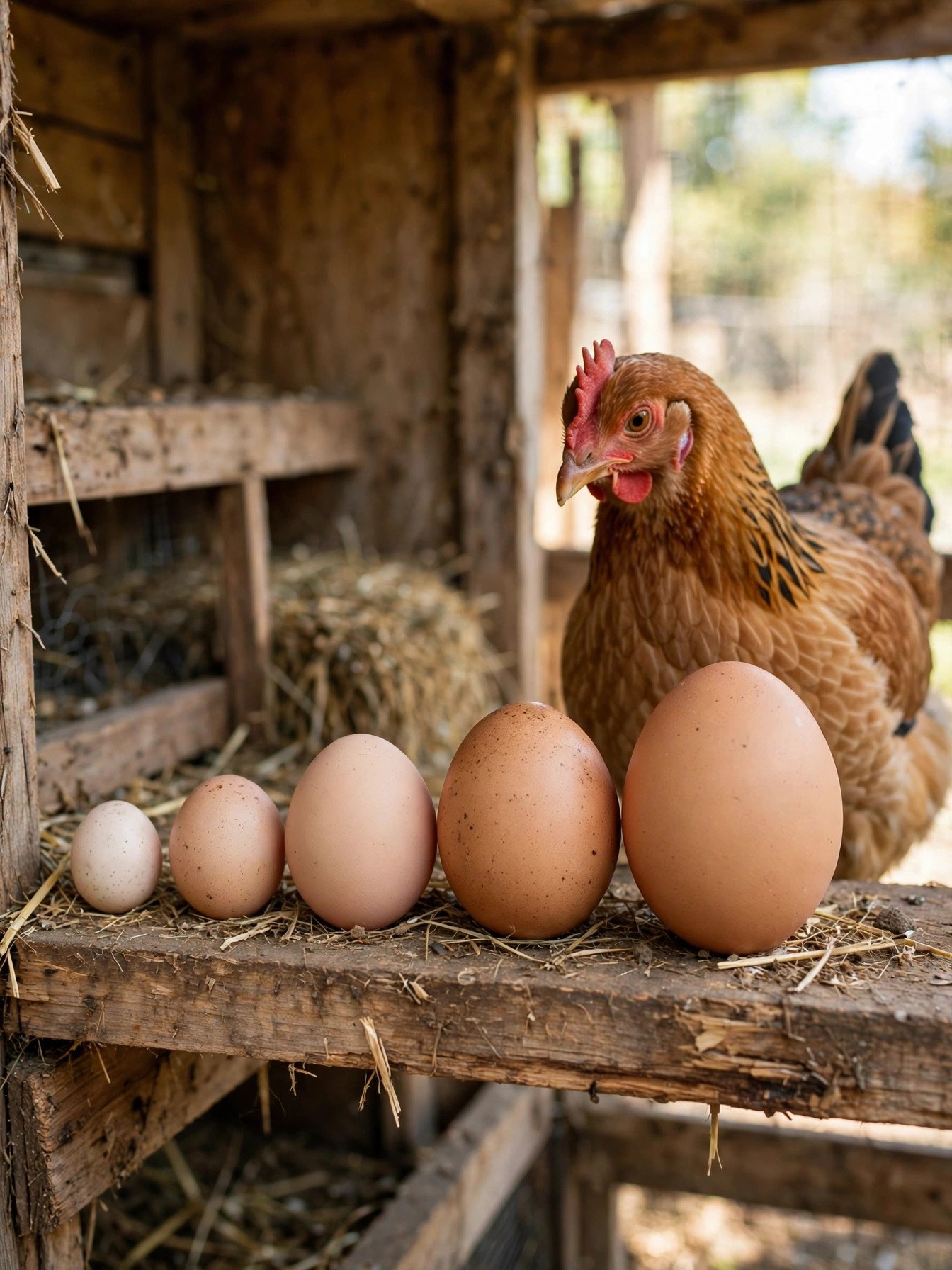
Health matters more than any supplement: a hen carrying a worm load or a quiet mite problem spends her energy on survival, not eggs. And then there is the molt — the annual feather replacement, usually in autumn, during which laying pauses for weeks or even a couple of months while every scrap of protein goes into growing a new coat. A pause for a molt is not the end of a laying life. It is a scheduled break, and older hens simply take a longer one each year.
Retirement Math: The Conversation Every Keeper Has Eventually
Now the honest part. Say you start with six hens and, because they are wonderful, you add three pullets every spring. By year five you have a lovely flock — and most of it is not laying. Feed costs the same for a hen who gives you five eggs a week as for one who gives you none, and if your goal is eggs, a flock that is mostly pensioners is an expensive way to buy breakfast. This is not a character flaw in the hens. It is just the curve, applied to your whole yard at once.
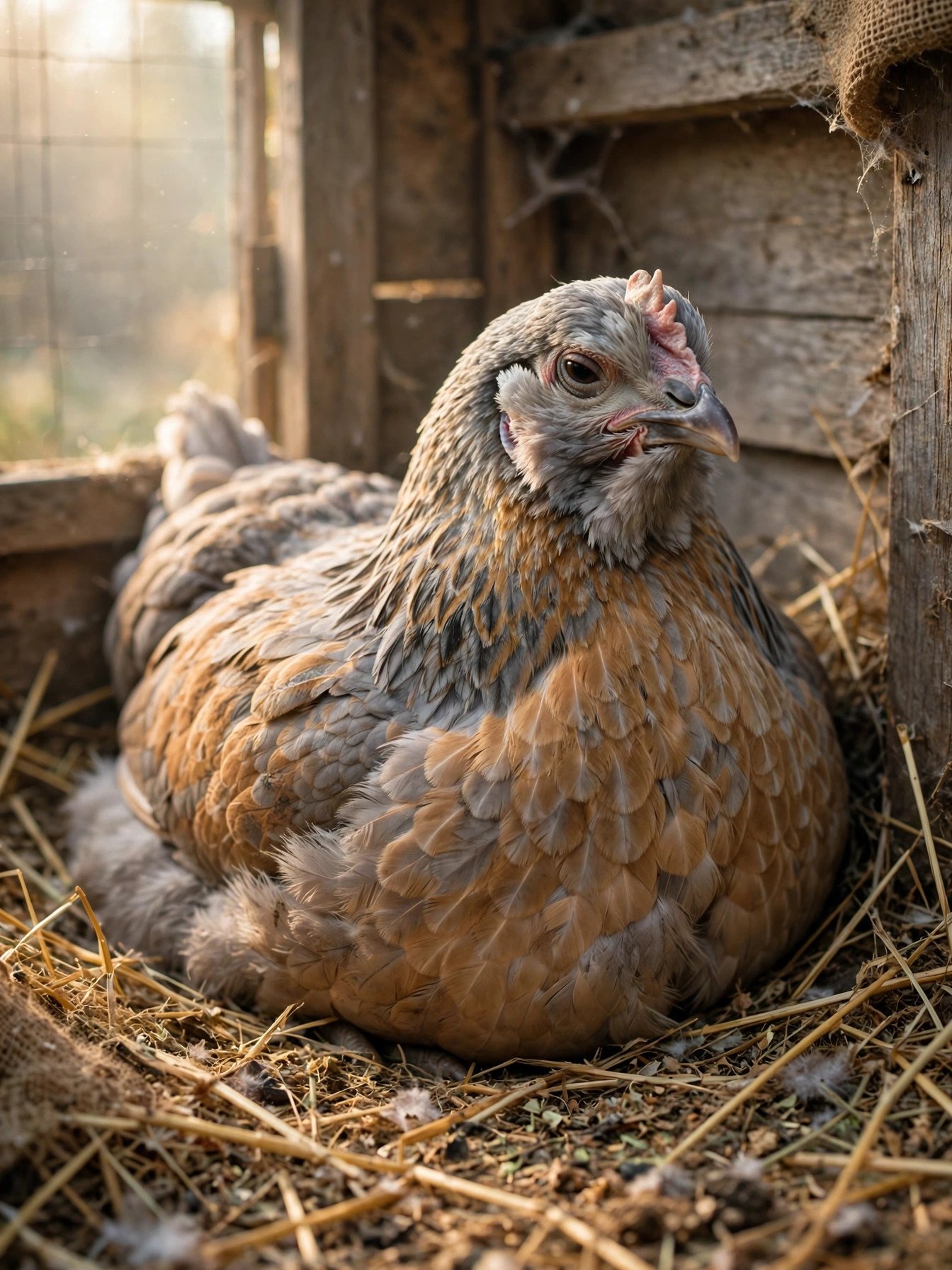
The common answer, and the one most steady egg producers use, is a rough two to three year rotation: add a small batch of pullets every year or two, so the flock always holds a mix of peak layers, steady second-year birds, and a few old girls on the way out. What happens to the retired hens is a personal decision — many backyard keepers happily keep them as gardeners, bug patrol and flock anchors for the rest of their natural lives, and there is nothing wrong with that either. What I would not do is pretend the question does not exist. Decide what your flock is for before you are feeding fifteen hens and collecting three eggs, and let that decision shape how many chickens you get from the start.
Signs a Hen Has Finished Laying
Hens do not announce their retirement, but a finished layer does look different from a working one, once you know the tells. A laying hen’s comb and wattles are bright red, plump and waxy from the hormones driving the cycle. In a hen who has stopped, the comb fades to a paler pink, shrinks a little, and feels dry and cooler. It is the quickest check there is — colour first, everything else second.
On yellow-skinned breeds there is a second clue in the legs. A hen in lay bleaches pigment out of her legs, beak and skin as it goes into her yolks, so an active layer’s legs look pale. When she stops, the yellow gradually comes back. Bright yellow legs on a hen of a yellow-skinned breed usually mean she has not laid in a while. The oldest check of all is the vent: a layer’s vent is wide, soft and moist, while a finished hen’s is small, dry and puckered, and the two pubic bones either side of it sit close together in a non-layer instead of two or three fingers apart. Check gently, or better, just watch — a hen seen regularly in the nest box is telling you the same thing with less handling.
Frequently Asked Questions
At what age do chickens stop laying eggs completely?
Most hens stop entirely somewhere between 5 and 7 years old, though “entirely” is doing some work there — many older hens still produce the odd egg in spring long after regular laying ends. Production hybrids tend to finish at the earlier end of that range, heritage breeds at the later end.
Do hens lay eggs their whole life?
No. A hen’s life typically runs 8 to 10 years, but her laying life is concentrated in the first half of it. Expect 2 to 3 strong years, a tapering few after that, and occasional eggs beyond year six. The bird outlives the breakfast by a comfortable margin.
Which breeds lay the longest?
Heritage breeds generally lay for the most years — Orpingtons, Plymouth Rocks, Sussex and Rhode Island Reds are all known for still producing at five, six and beyond, even though their yearly totals are lower than a hybrid’s. Hybrids win on eggs per year; heritage birds win on years per hen.
Why did my 2 year old hen stop laying?
At two, age alone is rarely the answer. The usual suspects are the season’s short days, a molt, broodiness, a feed problem, or something in the coop stressing her. Work through the checklist in our guide to why chickens stop laying before you write her off as finished — most two year olds who stop have a fixable reason.
How many eggs will a hen lay in her lifetime?
A good production breed might total somewhere around 800 to 1,000 eggs across her laying years, most of them in the first two. A heritage hen lays fewer per year but often reaches a similar lifetime country by simply keeping at it for longer. Think of it as the same account, spent at different speeds.
The Bottom Line
A hen lays well for 2 to 3 years, tapers for a few more, and may live twice as long as she lays. Once you accept that curve, the rest is planning: choose breeds for the pattern you actually want, refresh the flock a little at a time, and decide honestly what your retired girls’ jobs will be. Do that, and the eggs keep coming without any surprises. Brand new to all of this? Our complete guide to backyard chickens for beginners walks the whole first year, from first chick to first egg, in the order you will actually live it.