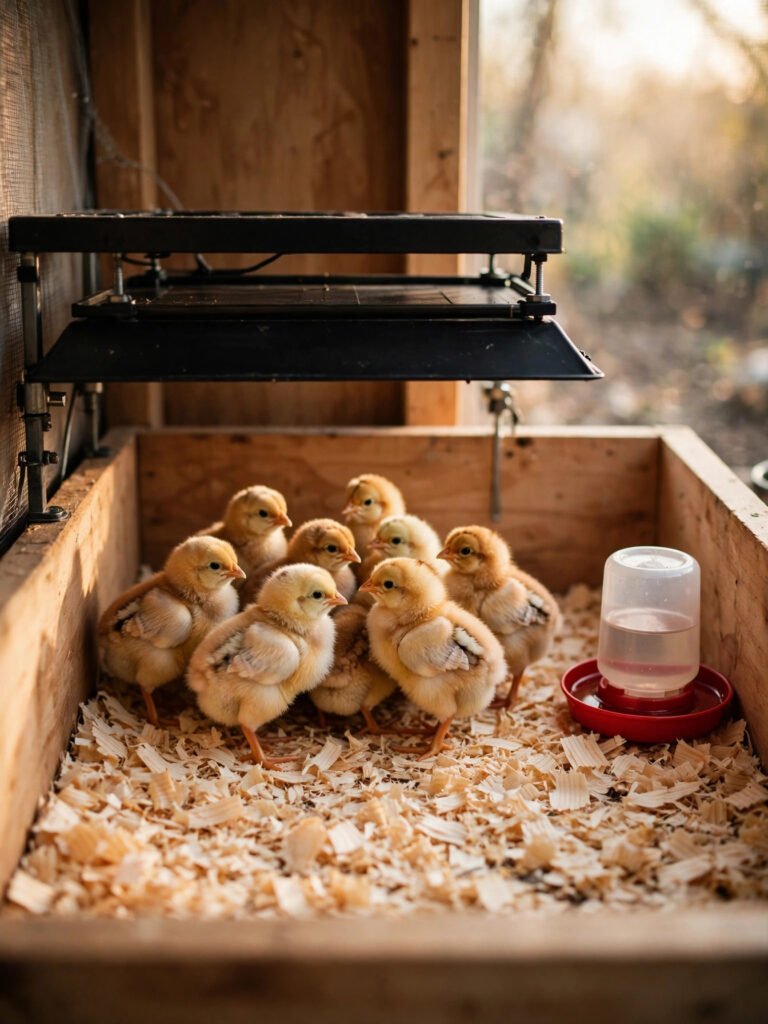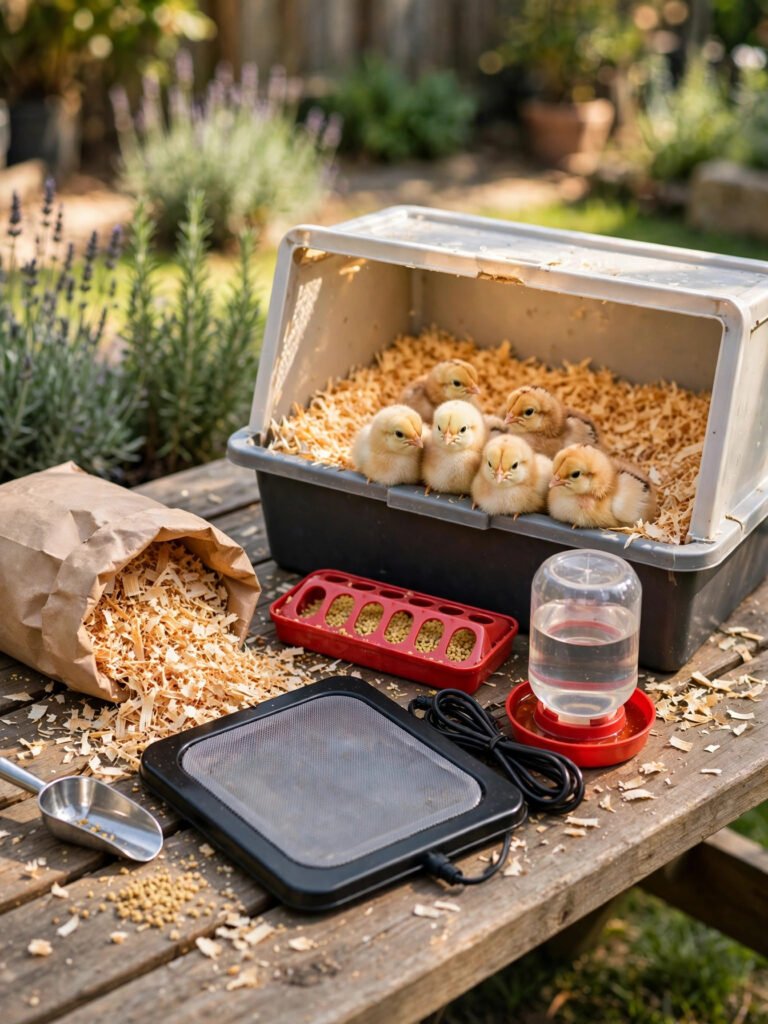
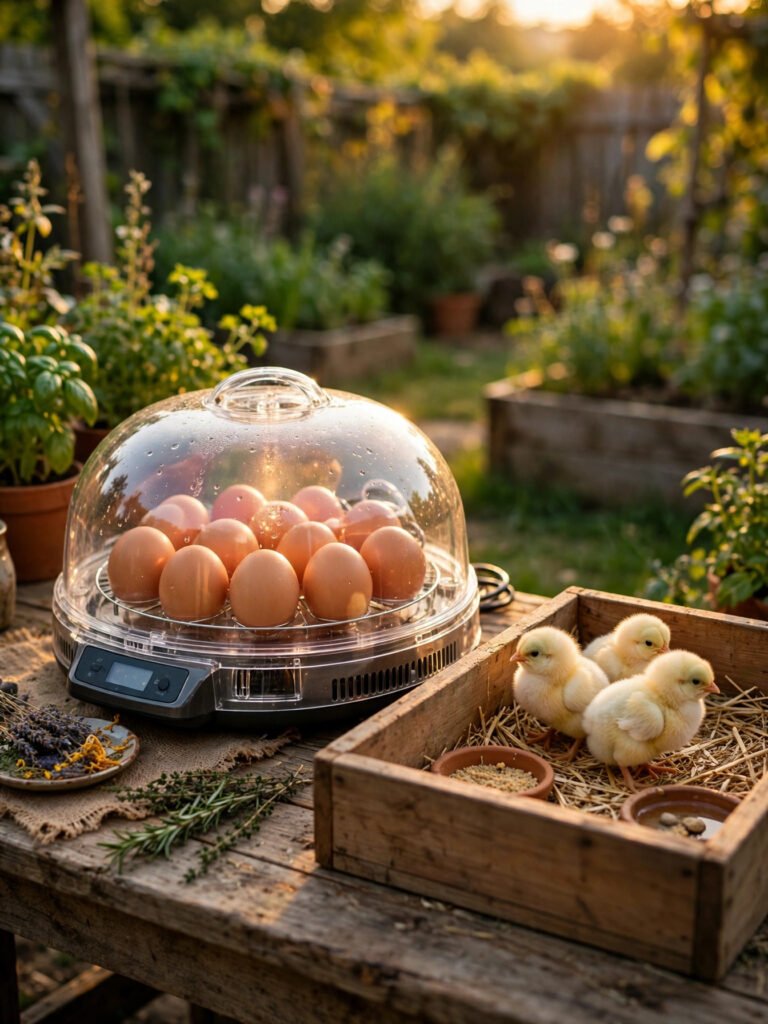

Short answer first: for a first hatch, the features that matter are automatic egg turning and a digital humidity readout — not capacity. A tabletop unit holding 12 to 24 eggs is the sweet spot for almost everyone starting out. Big cabinet incubators hold more eggs, cost far more, and mostly serve people who have already been bitten by the hatching bug and know it. If that is not you yet, buy for the hatch you are about to run, not the hatchery you might become.
These four picks were chosen the way everything on this site is chosen: from manufacturer specs and the patterns that repeat in verified owner reviews. We do not claim to have run side-by-side hatches in all four in our own brooder room, and you should be suspicious of any guide that claims it hatched in a dozen machines in a month. What we did instead: read the fine print on turning, humidity and temperature control, then cross-checked it against what owners praise — and complain about — after two or three real hatches.
Quick Picks: The Short Version
| Incubator | Capacity | Turning | Humidity control | Best for |
|---|---|---|---|---|
| Harris Farms Nurture Right 360 | 22 chicken eggs | Automatic, stops 3 days before hatch | Digital humidity display, external water channel you fill without opening the dome | Most beginners — the easy recommendation |
| KEBONNIXS 12 Egg Incubator | 12 chicken eggs | Automatic, rolls eggs hourly, auto-stop | Digital humidity display, external bottle top-up | A first hatch on a budget |
| Brinsea Mini II Advance | 7 chicken eggs | Automatic, stops 2 days before hatch | Water pots and vent, managed by hand — no humidity display | Small batches where build quality matters most |
| MATICOOPX 30 Egg Incubator | 30 chicken eggs | Automatic | Digital humidity display, external bottle top-up | Room to grow into bigger hatches |
1. Harris Farms Nurture Right 360 — Best for Most Beginners
Ask a room full of chicken keepers which incubator a beginner should buy and this is the name that comes up first — its owner reviews run into the thousands, and the pattern in them is consistent: people hatch successfully in it on their first try. The Nurture Right 360 holds 22 chicken eggs under a clear dome you can see into from every angle, turns the eggs automatically, and stops turning on its own three days before hatch day, which is exactly when turning is supposed to stop. That last detail sounds small. On day 18 of your first hatch, you will be glad the machine remembered even if you were nervous enough to forget.

- Holds 22 chicken eggs (also 12 to 18 duck eggs, or up to 34 quail eggs)
- Automatic egg turning with an auto-stop three days before hatch, and a days-to-hatch countdown on the display
- Digital temperature and humidity readouts, fan-assisted air circulation, and an external water channel — top up humidity without lifting the dome
What we like:
- The external water channel is genuinely good design. Humidity top-ups are the moment beginners disturb a hatch most; filling from outside keeps the lid on and the air inside steady
- The dome view is not a gimmick. On hatch day you will watch from every side, and so will every kid in the house — and you can spot a struggling egg without opening anything
- It forgives. Fan circulation evens out the temperature, the controls are plain buttons and numbers, and the whole routine of a 21 day hatch is handled in a way a first-timer can follow
What holds it back:
- Owners regularly advise checking its readings against a second thermometer and hygrometer inside — the display is good, but trusting any single sensor with living eggs is a habit worth breaking early (more on that below)
- Twenty-two eggs is a real flock commitment. A good hatch can leave you with more chicks than your coop plans allowed for, which is a lovely problem that is still a problem
- The turning tray handles standard chicken eggs best; very large or odd-shaped eggs sit less happily in it
Not for: anyone who only wants to hatch three or four eggs from a favorite hen — it is a lot of machine for a token batch. For: the typical beginner setting a dozen or two eggs and wanting the steadiest possible first run.
2. KEBONNIXS 12 Egg Incubator — Best Budget First Hatch
The Kebonnixs is the incubator half the internet seems to have started on, and the reason is simple: it includes the two features beginners actually need — automatic turning and a humidity display — in a small, inexpensive 12 egg dome. The turner gently rolls the eggs every hour and stops before hatch. There is a built-in LED candler, so you can check development on day 7 and day 14 without buying a separate light or juggling a torch in a dark room. And the water bottle screws onto the outside and feeds the reservoir, so humidity top-ups do not mean opening the lid.

- Holds 12 chicken eggs — a sensible first batch, not an instant flock
- Automatic turner rolls eggs every 60 minutes and auto-stops before hatch; day counter on the display
- Digital humidity display, built-in LED egg candler, and an external water bottle that tops up without opening the dome
What we like:
- Twelve eggs is the right size for learning. Enough eggs for a real result, few enough that a disappointing hatch is a lesson and not a heartbreak
- The built-in candler earns its place. Seeing a spiderweb of veins on day 7 is the moment most beginners get hooked — and it is how you learn what a developing egg actually looks like
- Everything a first hatch needs is in the one box, at the lowest commitment in this guide
What holds it back:
- The most common owner complaint is the humidity reading drifting from reality — treat the display as a guide and verify it with a separate hygrometer before you trust it with good eggs
- Small domes swing faster. A cold room or a drafty shelf shows up in the temperature sooner than it would in a bigger unit, so where you put it matters
- Twelve eggs is also the ceiling. Keepers who catch the hatching bug — many do — will outgrow it within a season or two
Not for: anyone planning to hatch waterfowl regularly or sell chicks — buy capacity once instead. For: a first hatch of your own hens’ eggs, a school or family project, and anyone who wants to learn the skill before spending real money on it.
3. Brinsea Mini II Advance — Best Built, for Small Batches
Brinsea is the name breeders reach for when an incubator absolutely has to work, and the Mini II Advance is their small one: seven chicken eggs, fully digital temperature control, automatic turning that stops two days before hatch, a countdown to hatch day, and alarms that sound if the incubator — or the room it sits in — drifts out of range. It even copies the mother hen with a periodic cooling feature, switching the heater off for a stretch each day the way a hen leaves the nest to feed. Owners who have run cheap domes first tend to say the same thing about their first Brinsea hatch: boring, in the best possible way. Nothing drifted.

- Holds 7 chicken eggs (12 small eggs with the optional insert) — deliberate small-batch hatching
- Fully digital temperature control with incubator and room temperature alarms, automatic turning with auto-stop, countdown to hatch day
- Fan-assisted airflow, external water top-up, periodic cooling that mimics a hen leaving the nest, and a 3 year manufacturer warranty
What we like:
- Temperature stability is the whole story. Steady heat is the single biggest factor in a hatch (see the section below), and holding temperature is what this machine is famous for
- The alarms. A cheap incubator fails silently; this one tells you — and tells you if the room got cold, which is the beginner mistake nobody warns you about
- The build and the backing. Solid fan-assisted cabinet, parts you can replace instead of a unit you throw away, and a warranty measured in years, not days
What holds it back:
- Seven eggs. That is the deal, and there is no talking around it — per egg, this is the most expensive capacity in the guide
- There is no humidity display on the Advance. Humidity is managed the old way, with water pots and a vent, and judged with your own hygrometer — fine for methodical keepers, a surprise for anyone expecting a number on the screen
- The extras cost extra: the small-egg insert and the automatic humidity pump version (the EX) are separate purchases
Not for: anyone who wants a flock’s worth of chicks from one hatch, or a humidity number on a screen. For: hatching a few precious eggs — a favorite hen’s, a rare breed’s — where losing the batch to a drifting heater is the outcome you cannot accept.
4. MATICOOPX 30 Egg Incubator — Most Room to Grow
The Maticoopx takes the Kebonnixs formula — humidity display, built-in candler, automatic turning, water bottle on the outside — and stretches it to 30 chicken eggs in a wide, square cabinet with trays instead of a dome. That capacity changes the kind of hatching you can do: a full setting of one breed, a mixed batch from several hens, or enough eggs that a mediocre hatch rate still leaves you a useful number of chicks. It is the pick for the beginner who already knows one small hatch will not be the end of it.

- Holds 30 chicken eggs (about 25 duck eggs) in trays under a clear viewing lid
- Automatic egg turning, digital humidity display, and a built-in egg candler
- External water bottle top-up — refill humidity without lifting the lid and dumping the warm air
What we like:
- Capacity per purchase is the best here, and for hatching it is not vanity — more eggs set is the simplest insurance against a patchy hatch
- The tray layout is practical. Eggs sit in rows you can label by hen or breed with a pencil mark, which dome turners make awkward
- The beginner features are all present — display, candler, turning, external water — nothing essential was cut to hit the size
What holds it back:
- Wide cabinets are where temperature varies corner to corner; owners of big flat units commonly find the eggs at the edges run slightly cooler. Your own thermometer, moved around the tray before you set eggs, is how you learn your machine’s map
- Thirty eggs hatching at once is a genuine event — thirty chicks need a brooder the size of a bathtub within the week, ready before hatch day, not after
- Note the listing’s own fine print: goose eggs do not fit the turning tray, whatever the headline capacity suggests
Not for: a nervous very-first hatch — learn on a dozen eggs before you set thirty. For: the beginner with brooder space ready, eggs of their own to set, and every intention of hatching again next season.
What Actually Decides a Hatch
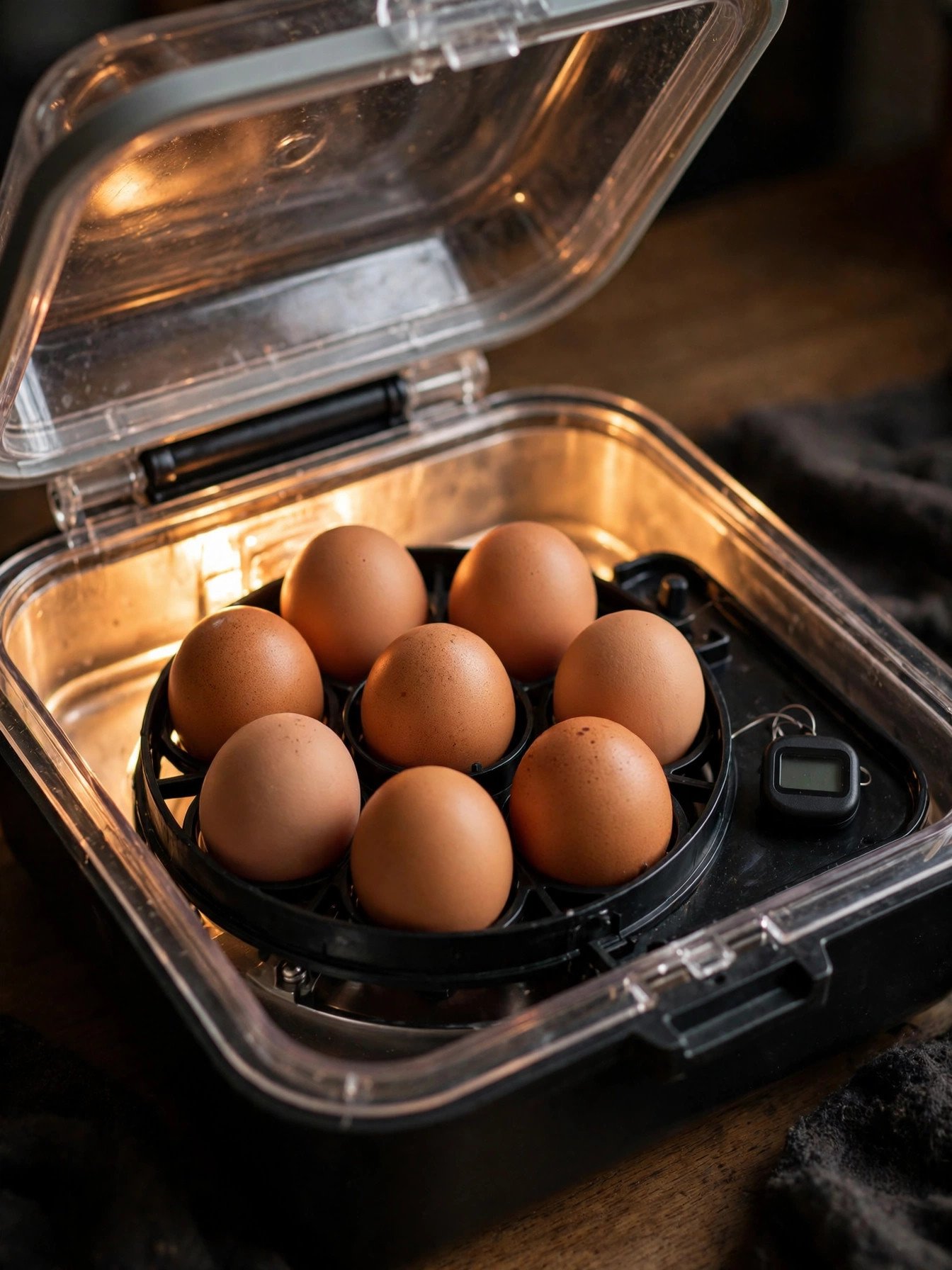
Here is the part the listings will not tell you: the incubator is maybe half the result. The other half is three unglamorous truths. First, temperature stability beats features. Chicken eggs want 99.5°F, held steady, for 21 days. A basic machine that holds its temperature will out-hatch a fancy one that wanders by a degree — a degree low for days at a time means late, weak hatches; a degree or two high can kill a batch outright. This is why steady machines get the reputations they do, and why alarms and good fans matter more than lights and styling.
Second, humidity is the beginner killer. Too dry, and the egg loses too much moisture — the chick grows small in a shell it cannot escape. Too wet, and the air cell stays tiny and the chick drowns at hatch time. The working targets most keepers use are roughly 45 to 50 percent for the first 18 days, then up to 65 to 70 percent for the final three. Neither number has to be perfect. What ruins hatches is humidity nobody was watching because the display was trusted blindly, or because topping up meant lifting the lid six times a day.
Third — and this is the pro move, whatever incubator you buy — put your own thermometer and hygrometer inside. A small, inexpensive digital combo unit, sitting at egg level, tells you what the eggs are experiencing rather than what the machine’s sensor, up in the lid, believes. Every experienced hatcher does this, including the ones with expensive machines. Run the incubator empty for a day before you set a single egg, compare the two readings, and learn your unit’s habits while the stakes are zero. That one dry run is worth more than any single feature on any box in this guide.
The First Hatch, Realistically
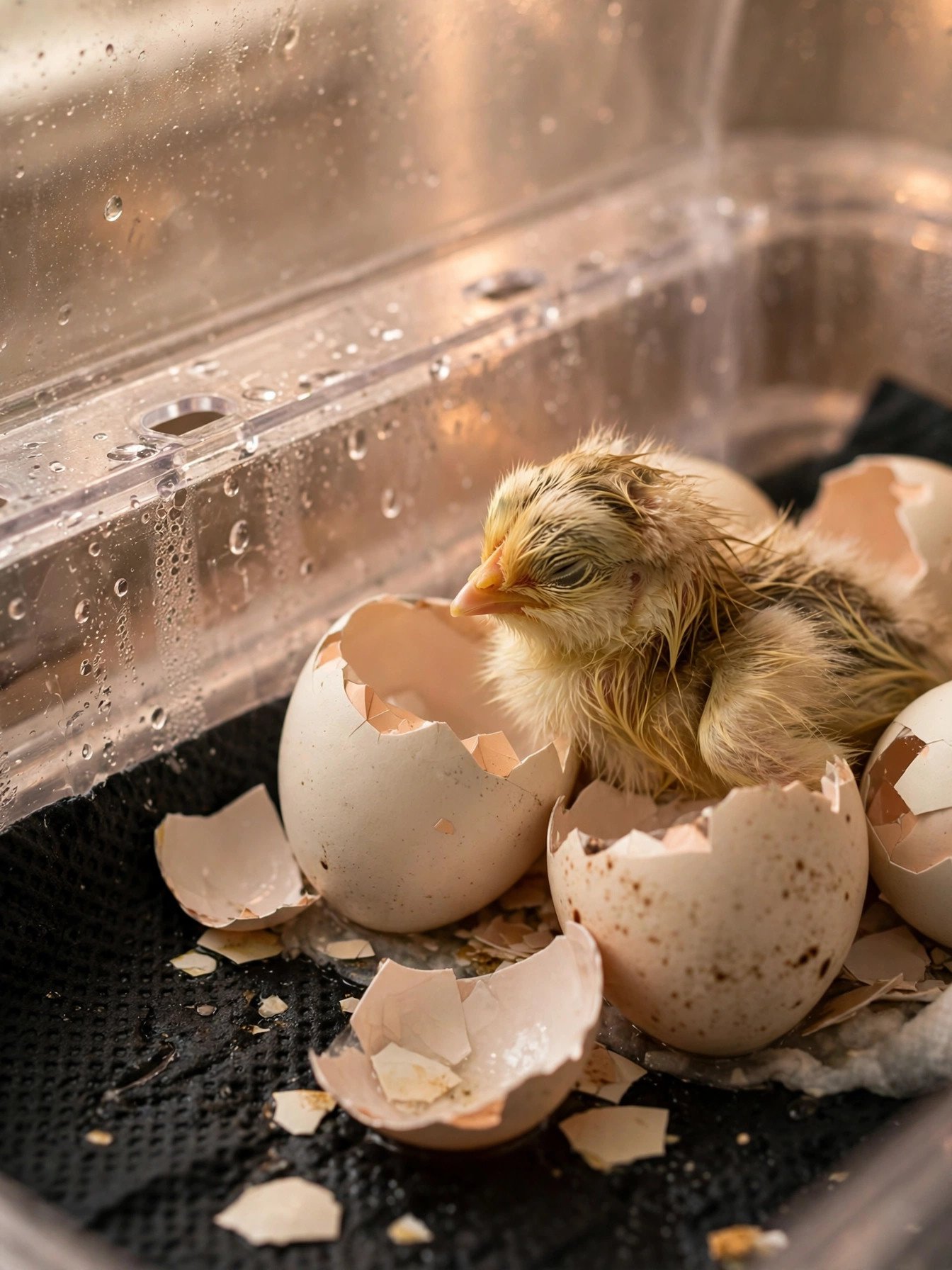
Set expectations before you set eggs. On eggs from your own yard, collected fresh and handled gently, a decent first hatch in a machine from this guide is a genuinely good result. On shipped eggs — which arrive rested, jostled and needing a day point-down before setting — experienced keepers commonly land somewhere around 50 to 70 percent, and many count anything over half as a win. The eggs were not all fertile, some quit early, and a few fully formed chicks will not make it out. That is hatching. It is not a sign you bought the wrong incubator.
So set more eggs than you want chicks. If you are hoping for six pullets, remember that roughly half of any hatch will be cockerels and not every egg will hatch — setting 18 to 24 eggs for a target of six hens is not pessimism, it is arithmetic. And have the next stage ready before hatch day: chicks come out needing warmth, water and chick feed within their first days, so work through our guide to the best brooder setups for baby chicks and keep the brooder temperature chart handy for the weeks that follow.
The endgame has a name: lockdown. On day 18 of a chicken hatch, turning stops (the machines above do this automatically), humidity goes up to that 65 to 70 percent range, and the lid stays closed — no opening to help, no rescuing strugglers, however hard it is to watch. Chicks pip, rest for hours that feel like days, then zip around the shell and push out, usually across days 20 and 21. Every opening during lockdown dumps the humid air the remaining chicks need to hatch, which is why the clear domes and viewing lids in this guide are practical features and not decoration. Once your hatchlings are dry and active, they move to the brooder — and the full list of what they need waiting for them is in our printable baby chick supplies checklist.
Frequently Asked Questions
How many eggs should a beginner’s incubator hold?
Twelve to twenty-two is the sweet spot. Enough eggs for a real result even if some do not hatch, few enough that the chicks fit the brooder and coop you actually have. Smaller units suit precious small batches; go above 22 only if you have brooder space for the best-case hatch, not the expected one.
Is automatic egg turning really necessary?
For most beginners, yes. Eggs need turning several times a day for the first 18 days, or the embryo can stick to the shell. Doing it by hand is possible — generations managed it — but it means opening the incubator, cooling it, and never once forgetting for three weeks, including weekends away. An automatic turner removes the most forgettable job in hatching, and stops at lockdown on its own.
What temperature and humidity do chicken eggs need?
In a fan-assisted incubator, 99.5°F held steady, with humidity around 45 to 50 percent for the first 18 days and raised to about 65 to 70 percent for the last three days of lockdown. Verify both with your own thermometer and hygrometer inside the machine — displays are guides, not guarantees.
Why did my first hatch do badly?
Usually for one of a short list of reasons: infertile eggs (no incubator fixes that), shipped eggs that had a rough journey, temperature that drifted without an independent thermometer to catch it, or humidity that ran too wet or too dry because it was never verified. Notice that three of the four are information problems, not machine problems — which is why a dry run with your own instruments is the highest-value step a beginner can take.
The Bottom Line
If you want one recommendation to act on: the Nurture Right 360 is the incubator most beginners will hatch best in — 22 eggs, automatic turning that stops itself, a humidity display, and water you add without opening the dome. On a budget, the Kebonnixs 12 teaches the same skills for a first small batch. For a handful of eggs you cannot afford to lose, the Brinsea Mini II Advance is the steady, buy-it-once answer. And if you know the hatching bug has already bitten, the Maticoopx 30 gives you room to grow.
Whichever one lands on your counter, remember what actually decides the hatch: steady temperature, watched humidity, an independent thermometer you trust, and the patience to keep the lid closed on day 20. Buy the machine that helps you do those four things, set more eggs than you think you need, and have the brooder warm before the first shell pips.