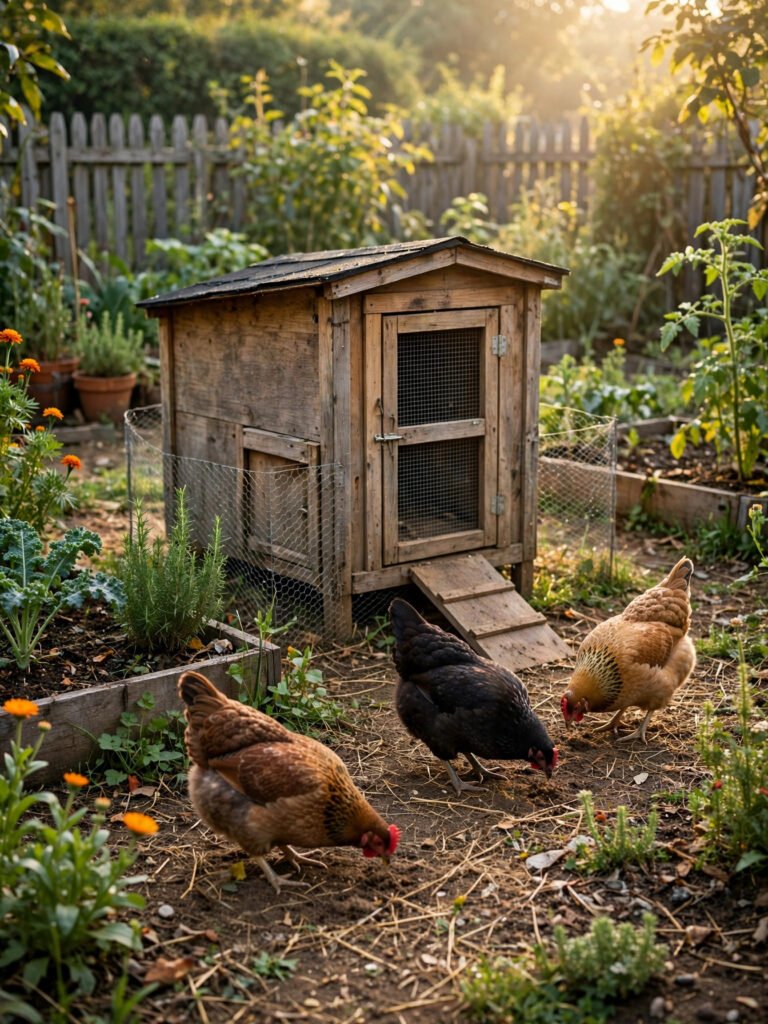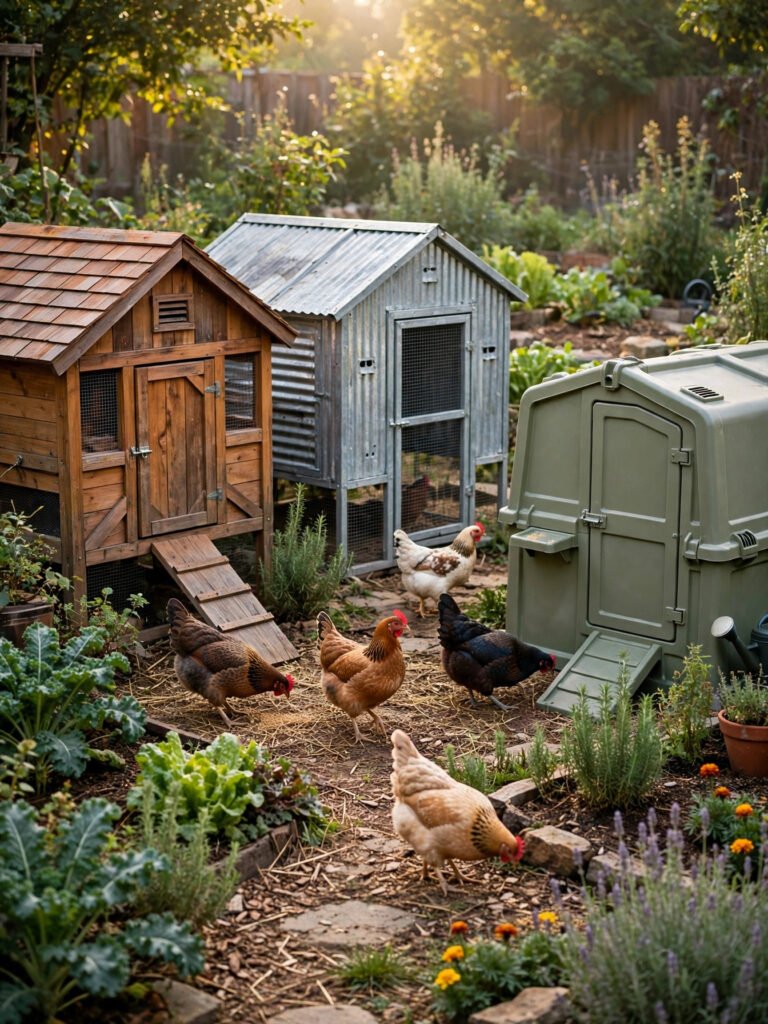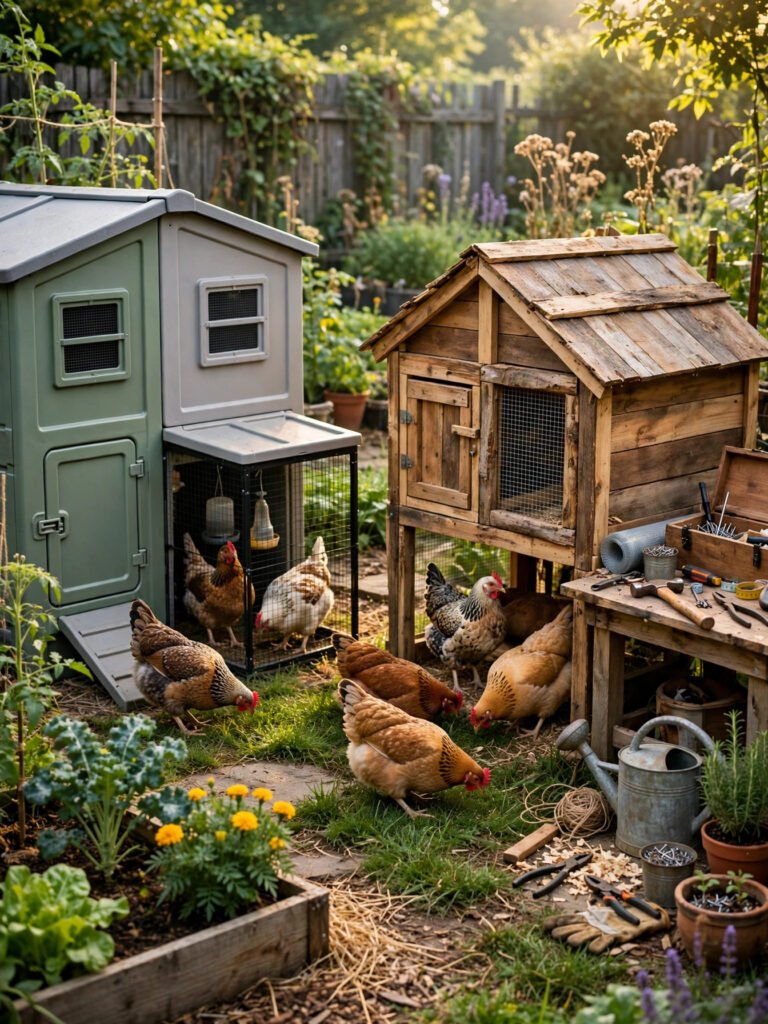
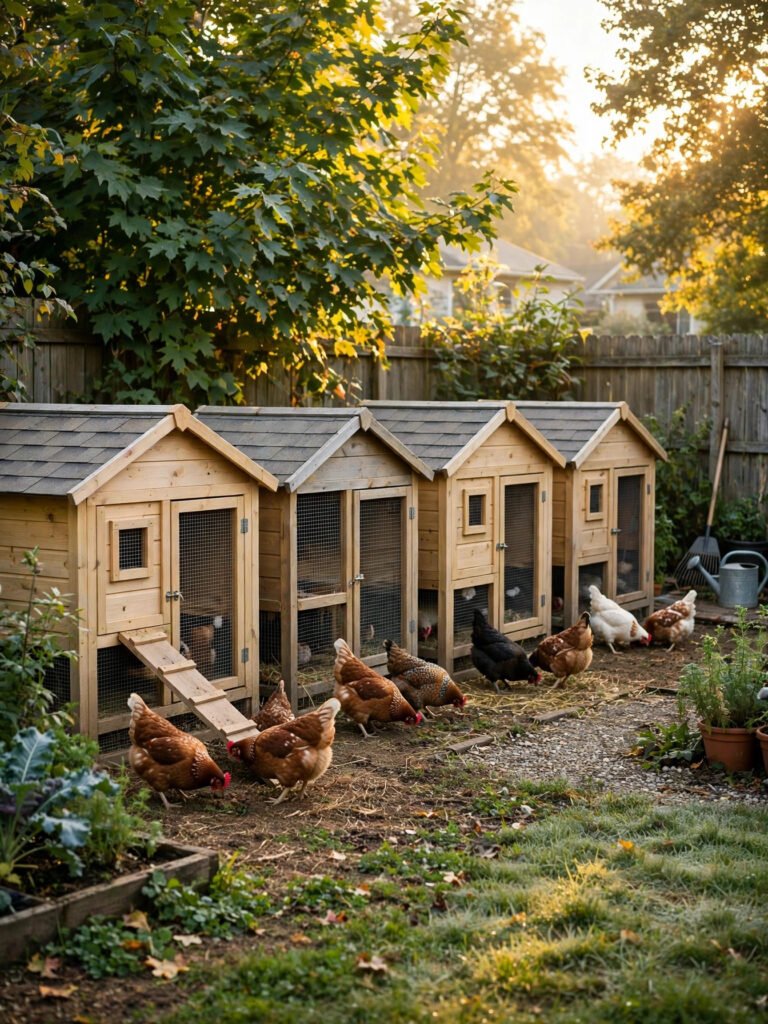

Let me save you some money and some disappointment in one go: under the $300 line, there is no such thing as a six hen coop. By the standard rule of 4 square feet of coop floor per hen, six hens need 24 square feet of house before you even fence a run — and almost every coop at this budget offers 15 to 20 square feet total, house and run combined. These are 2, 3 and 4 hen coops, whatever the box says. Sold for six, built for three: that is the budget coop market in one sentence.
That does not make them bad coops. It makes them small ones, and a small coop bought honestly — for the flock it actually fits — is a perfectly good way into chicken keeping. So this guide does the math the listings skip. Every pick below was chosen from manufacturer specs and the patterns that show up again and again in verified owner reviews; we do not claim to have tested these coops in our own yard. What we did instead: measured every footprint, read the fine print, and worked out how many hens each one really holds under the $300 ceiling. Buy for that number and a budget coop will serve you well. Buy for the number on the box and you will be shopping again by spring.
Quick Picks: The Short Version
| Coop | Footprint | Realistic hen count (4 sq ft rule) | Best for |
|---|---|---|---|
| Aivituvin 83in Mobile (AIR61) | 83.3 × 26 in (about 15 sq ft of ground; 18.5 sq ft total inner space, seller’s figure) | 3 hens, or 4 that range daily | The most coop this budget buys |
| PawHut 83in Portable (D3-0004) | 82.75 × 35.5 in (about 20 sq ft, house plus run) | 3 to 4 hens | The widest run, on wheels |
| RUNSHED Wooden Coop | 79 × 27.5 in (about 15 sq ft, house plus run) | 3 hens | A tidy small-yard starter |
| GOJOOASIS 80in Coop | 80.7 × 26 in (about 14.5 sq ft, house plus run) | 2 to 3 hens | Testing the hobby for the least money |
1. Aivituvin 83in Mobile Coop (AIR61) — Most Space Under $300
If your $300 has to stretch as far as it possibly can, this is where it lands. The Aivituvin AIR61 is an 83 inch two-level unit on wheels — raised house up top, run underneath and alongside — and Aivituvin’s own comparison chart credits it with 18.47 square feet of total inner space, the most of any coop in this guide. The listing says 4 to 6 chickens. Our count: three hens will live in it comfortably, four will do well if they get out to range most days. That is still the best space-per-budget deal here.

- 83.3 × 26 inch footprint with 18.47 sq ft of total inner space — the most room under the $300 line
- Wheels and a side handle, so the whole coop rolls onto fresh ground instead of sitting in mud
- Leakproof pull-out tray, nesting box and a UV-resistant roof panel over the run
- Sold for 4 to 6 hens; by the floor math it suits 3, or 4 that range daily
What we like:
- The wheels are not a gimmick. A budget run turns to bare dirt in weeks; a coop you can roll six feet sideways gives the ground — and the hens — a fresh start
- The leakproof tray. Owners single it out, and they are right to: a tray that does not dribble is the difference between a two-minute clean and a chore you put off
- Checkable numbers. Aivituvin at least publishes an inner-space figure you can verify, which is more than most budget brands offer
What holds it back:
- It is only 26 inches wide. The run is a corridor, not a yard, and four hens in it full time will let you know about it
- The fir is light, as it is on every coop here. Seal it before the first winter or the weather will start unbuilding it for you
- Assembly is a genuine project — a couple of hours, a second pair of hands, and a charged drill driver
Not for: a firm flock of five or six, or hens that will never leave the run. For: three hens, a keeper who will move the coop around the yard, and a budget that has to stop at $300.
2. PawHut 83in Portable Coop (D3-0004) — Widest Footprint
Most budget coops are long and skinny. The PawHut goes wide instead: 82.75 inches long but a full 35.5 inches across, for about 20 square feet of total footprint — the most actual ground of any pick here, and ground is what hens spend their days on. The main house is a raised 27.5 × 27.5 inch box with a nesting box on the side, the run wraps the side and the space underneath, and the whole unit sits on wheels.

- About 20 sq ft of total footprint — the widest ground area in this guide
- Raised house, side and under-house runs, nesting box and a removable tray
- Wheels for moving to fresh ground, and a proper brand behind it for parts and support
- By the floor math it suits 3 to 4 hens that get out regularly
What we like:
- Width where it counts. That extra 9 inches over the skinny kits is run space your hens use every hour of the day
- At 51 inches tall, it is the easiest of these to work in — less crouching to clean, catch a hen or top up a feeder
- Longevity of the listing itself. This model has been sold for years, and the owner-review record is long enough to trust the pattern: decent coop, thin wood, seal it early
What holds it back:
- Do the house math before you buy: 27.5 × 27.5 inches is about 5 square feet of sleeping quarters. Fine for roosting at night, tight if hens are shut in through storm days
- The fir arrives with a water-based preservative, not a real weather finish. A coat of exterior sealant is part of the purchase, like it or not
- It is a two-person carry even on wheels, and the wheels are for grass, not gravel driveways
Not for: flocks that spend whole days locked in, or anyone expecting furniture-grade wood at this price. For: three or four hens, a flat lawn, and a keeper who wants the roomiest budget run going.
3. RUNSHED Wooden Coop — Best Small-Yard Starter
The RUNSHED is the neat, well-finished end of the budget shelf: a compact fir coop with an enclosed run, a slide-out tray, nesting boxes and a weather-resistant roof at a 79 × 27.5 inch footprint — about 15 square feet in total. The listing says 4 to 6 chickens, and as usual the listing is being generous. Three hens will live well in it, and it even includes two ceramic training eggs to teach them where to lay, a small touch no other budget kit bothers with.

- Compact 79 × 27.5 inch footprint — fits the small yards the wide kits cannot
- Enclosed run, slide-out tray, nesting boxes and two training eggs in the box
- Sold for 4 to 6 hens; by the floor math it is a comfortable 3 hen home
What we like:
- The finish. Of the budget kits here, this is the one owners describe as tidy rather than flimsy — panels line up, the tray slides, the roof keeps weather out
- The training eggs genuinely help pullets learn the nesting box, and most keepers end up buying a pair separately anyway
- As a first coop for three hens — or a hospital and broody pen once you upgrade — it keeps earning its keep
What holds it back:
- Space, full stop. Fifteen square feet total is the ceiling, and the run is a holding pen, not a yard — these hens need to get out and range
- Lightweight fir construction. Seal it, anchor it against wind, and expect a shorter working life than a solid-wood coop
- No wheels, so once it is sited and bedded, it is staying
Not for: four or more hens kept in full time, whatever the listing says. For: a first flock of three in a small yard, and a keeper being honest about both.
4. GOJOOASIS 80in Coop — Cheapest Way In
Somebody has to be the cheapest, and it is this one — usually by a wide margin. The GOJOOASIS is an 80.7 × 26 inch fir coop with a green asphalt roof, a raised house, a nesting box and a run, and it deserves one genuine compliment before the criticism: it is sold for 2 to 4 chickens, the most honest capacity claim in this entire guide. Our count agrees almost exactly — two hens comfortably, three if they range. For a first season of chicken keeping, a fraction of the others’ cost may be exactly the right price.

- 80.7 × 26 inch footprint, about 14.5 sq ft total — a house, a run and a nesting box in one cheap kit
- Sold for 2 to 4 hens — the honest end of budget labeling; realistically 2 to 3
- Green asphalt roof and rain-resistant painted fir, with a ramp and sliding house door
What we like:
- The price of admission. If you are not yet sure chickens are for you, this is the lowest-risk way to find out — check the current price, it is usually startlingly low
- Everything essential is present: dry house, run, nesting box, ramp. Nothing on the essentials list is missing, it is just made thinner
- It goes together quickly and weighs little, so siting it is a one-person job
What holds it back:
- This is the thinnest fir in the guide, and owner reviews are blunt about it: pilot your screw holes, handle panels gently, and seal it the day it is built
- The hardware is the budget shelf at its budget-iest — the latches especially want replacing before a raccoon introduces itself
- Treat it as a starter coop with a lifespan, not a forever home, and it will not disappoint you
Not for: anyone in hard-winter or serious predator country without upgrade plans, or a flock bigger than three. For: two hens, a tight budget, and a keeper testing whether this hobby sticks.
What $300 Honestly Buys (and What It Doesn’t)

Line the whole budget shelf up and the pattern is plain. Three hundred dollars buys you a dry, raised house, a nesting box or two, a pull-out tray if you are lucky, and a run measured in the teens of square feet — all of it in fir panels about half an inch thick, held together with light hardware and finished with paint rather than preservative. It does not buy you thick timber, small-gauge predator mesh, latches a raccoon respects, or space for six hens. Not at any brand, not on any sale day.
It also buys you a lifespan, and you should plan around it honestly. Owner reviews for every kit here tell the same story: sealed and maintained, a budget coop gives you a few good seasons; neglected, the weather starts taking it apart in the second year. That is not a scandal — it is what the money buys. The mistake is not buying a budget coop. The mistake is expecting a decade out of it, or six hens in it.
The Upgrades Every Budget Coop Needs
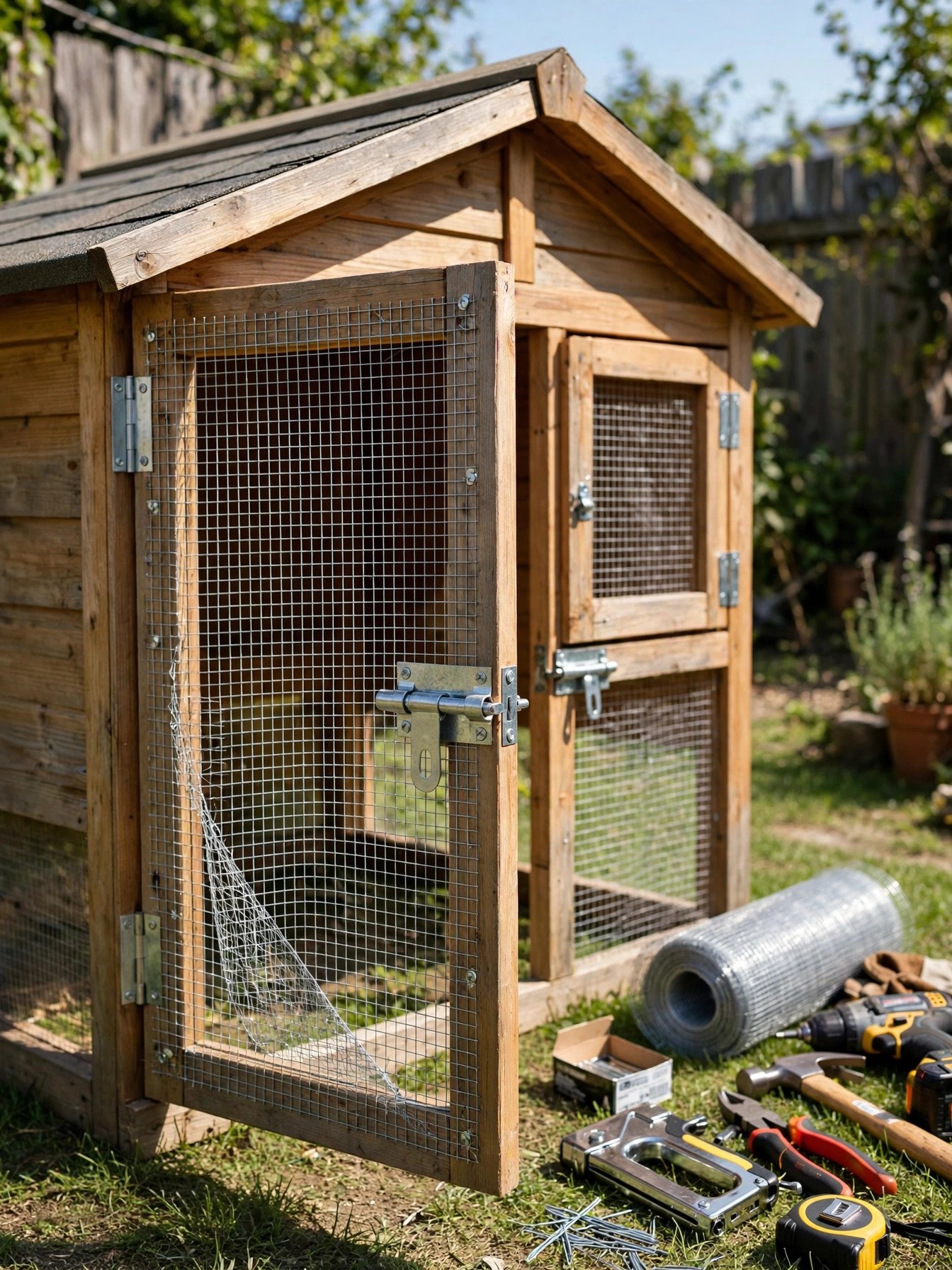
Whichever pick you buy, hold a little of the budget back, because three upgrades turn a fragile kit into a serviceable coop. First, the latches: fit two-step locking latches on every door — the sliding bolts these kits ship with are an invitation. Second, the mesh: line vents and run walls with half-inch hardware cloth. Raccoons reach through chicken wire; hardware cloth is what stops them, and our guide to how to predator proof a chicken coop walks through the whole job. Third, the run: every built-in run here is a holding pen, so fence the biggest extra area you can around the coop — our free Coop Size Calculator will tell you exactly how much your flock needs. Add a coat of sealant before the first winter and you have done everything the owner reviews wish they had done on day one.
When Saving for Longer Beats Buying Now
There is one situation where the honest advice is to buy nothing on this page: you have your heart set on six or more hens, and they will not free range. No budget kit houses that flock, and a too-small coop does not stay a small problem — it becomes pecking, smell, mud and a second purchase within the year, at which point the “cheap” coop was just a down payment. In that case the money works harder saved toward a coop whose floor honestly fits your flock, and our guide to the best chicken coops for 6 chickens shows what that takes — including the buy-it-once end of the market. Buying once almost always costs less than buying twice. It just costs it all in the same month.
Frequently Asked Questions
Can you really get a good chicken coop for under $300?
Yes — for the flock size the money actually covers. Under $300 buys a sound starter coop for 2 to 4 hens: dry house, nesting box, small run. What it does not buy is a genuine 6 hen coop, at any brand. Judge every listing by floor measurements, and a budget coop will do its job well.
How many chickens can a budget coop actually hold?
Divide the total footprint by four and round down. The typical under-$300 kit has 15 to 20 square feet total, house and run combined, which works out to 3 or 4 hens at the very most — and 2 or 3 is the comfortable answer for the smaller kits. Seller numbers are usually worked out at 1 to 2 square feet per bird, which is why they read so much higher.
How long does a cheap prefab coop last?
Plan on a few seasons, not a decade. Sealed before its first winter and kept off bare wet ground, a fir kit coop commonly gives three or four years of service. Left unsealed, owners report soft panels and wobbling frames by year two. Our full breakdown of how much space chickens need covers why a coop that fits your flock also ages better — uncrowded hens are gentler on everything, including the building.
What should I upgrade first on a budget coop?
The latches, then the mesh, then the finish. Two-step locking latches a raccoon cannot slide, half-inch hardware cloth over any wide chicken wire, and a coat of exterior sealant before the first winter. That afternoon of work fixes the three weak points that show up in nearly every budget coop review.
The Bottom Line
Under $300, you are buying a starter coop for a small flock — and bought that way, every pick here earns its money. The Aivituvin AIR61 gives you the most space and the freedom to roll to fresh ground. The PawHut gives you the widest run and a brand that answers its email. The RUNSHED is the tidy small-yard starter for three. And the GOJOOASIS is the cheapest honest way to find out whether chickens are your thing. Pick by your real flock size, hold a little back for latches, mesh and sealant, and measure the floor before you pay for the name — the same rule as everywhere else on this site, just with smaller numbers.